


Atlantic
Tropical Weather
Make this page your one-stop source for tropical storm and hurricane information for the Atlantic Basin. Look below for a wealth of tropical weather information for the Atlantic and Caribbean. All images, forecasts, and documents are courtesy of their respective publishers.
Our Most Recent Weather Updates
A major storm storm will impact much the central and eastern United States throughout the rest of today through Monday. This storm will bring a blizzard to parts of the upper Midwest and significant severe weather from the Mississippi & Ohio Valleys eastward to the Mid-Atlantic states and the Carolinas. Significant Severe Weather This Afternoon […]
To Our Faithful & Loyal Crown Weather Members: I am writing in hopes you might be able to help me out & send some sort of monetary support my way. We have ZERO money in our checking account and are having a tremendous amount of difficulty paying bills. So, I am really, really hoping you […]
Late Sunday Afternoon & Sunday Night: Widespread severe weather with the threat for widespread damaging winds and tornadoes are expected late Sunday afternoon and Sunday night across a large area from northeast Texas to southwest Lower Michigan. The area of most concern looks to be across northern Louisiana, much of Arkansas, central and northern Mississippi, […]
Before I get into discussing the potential for a major storm system across the central United States this weekend, I wanted to let you know that we are still not doing well at all. We still have virtually no money in our checking account. This continues to be extremely stressful and worrying for us. […]
Summary: Severe weather is expected throughout this afternoon into tonight across a large area from the ArkLaTex and the northern Gulf coast northward through the lower Mississippi Valley, the Ohio Valley and the Mid-Atlantic states. Details: First for the Ohio Valley and the Mid-Atlantic states – Strong to severe thunderstorms are expected to continue throughout […]
Tropical Weather Outlooks
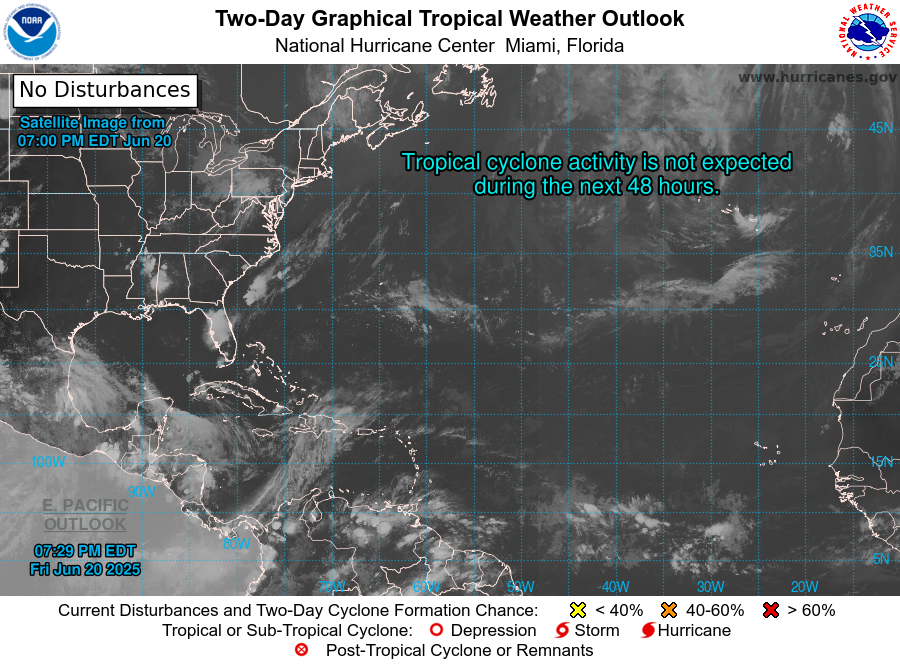
2 Day Graphical Tropical Weather Outlook
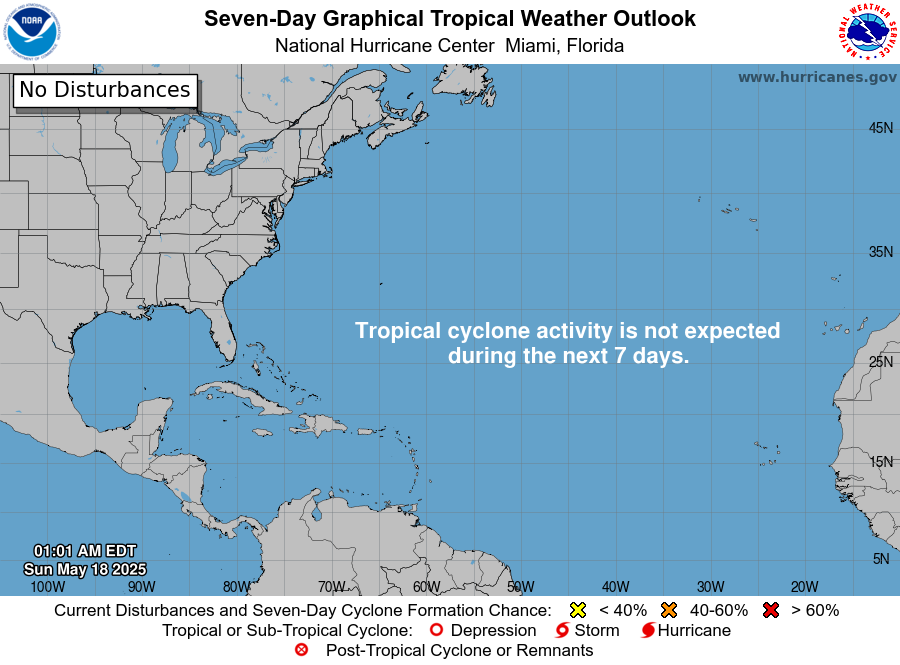
7 Day Graphical Tropical Weather Outlook
Latest Tropical Weather Outlook
Latest Tropical Weather Discussion
Satellite Imagery
Infrared Satellite Images Atlantic Wide


Infrared Satellite Images Gulf of Mexico

Infrared Satellite Image US East Coast

Infrared Satellite Image Caribbean


Visible Satellite Images
Atlantic Wide


Gulf Of Mexico

US East Coast

Caribbean


Water Vapor Satellite Images
Atlantic Wide


Gulf Of Mexico

US East Coast

Caribbean


Infrared Satellite Image
Eastern Atlantic
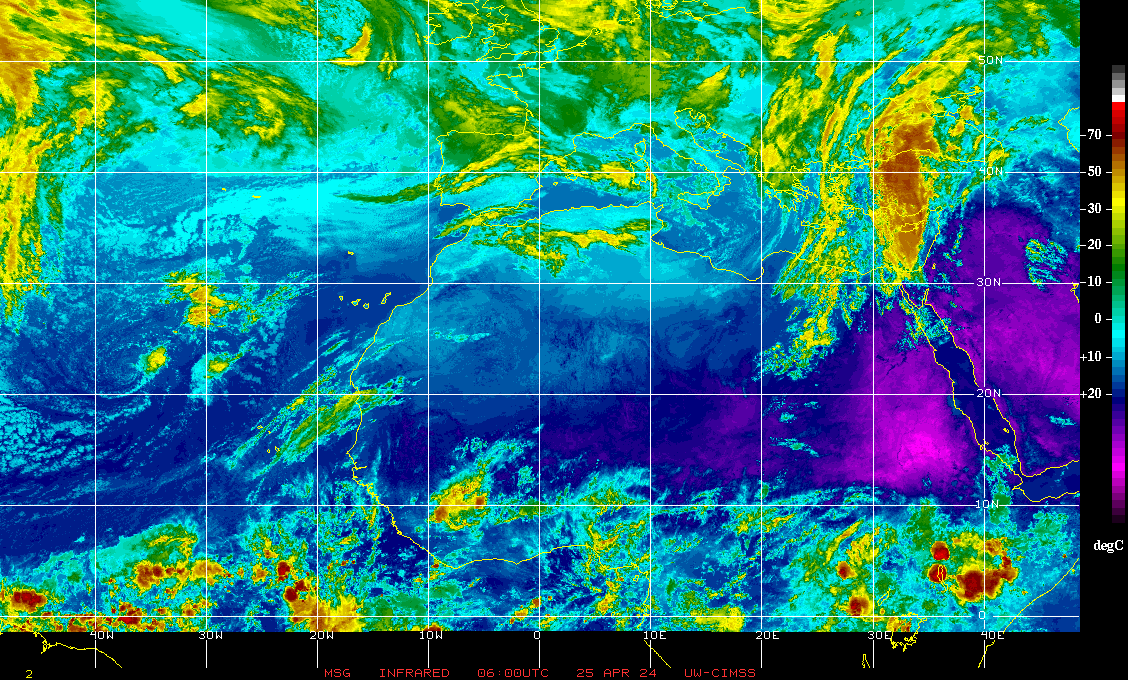

Satellite Image
Eastern Atlantic Visible

Eastern Atlantic Water Vapor

Radar Imagery
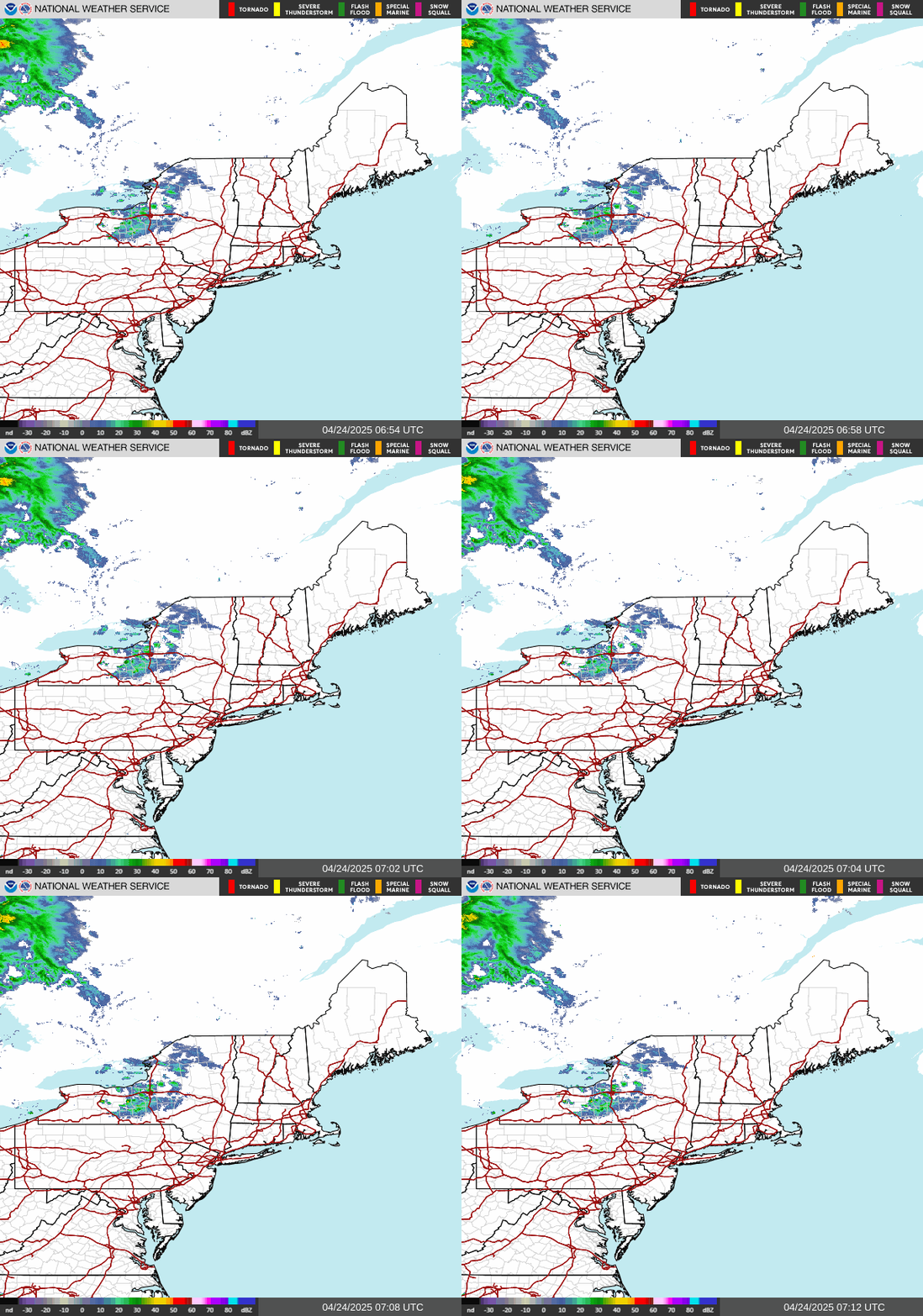
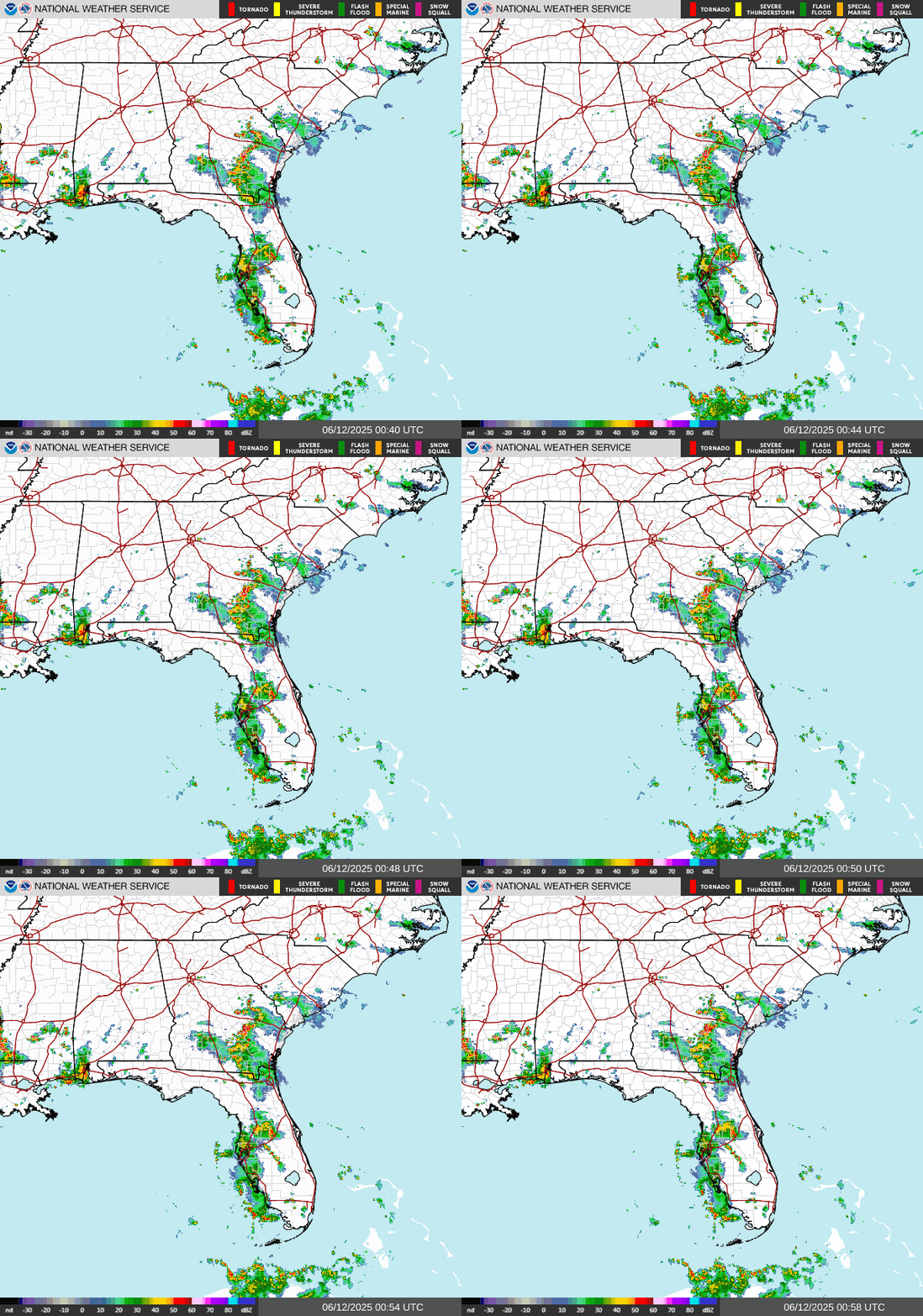
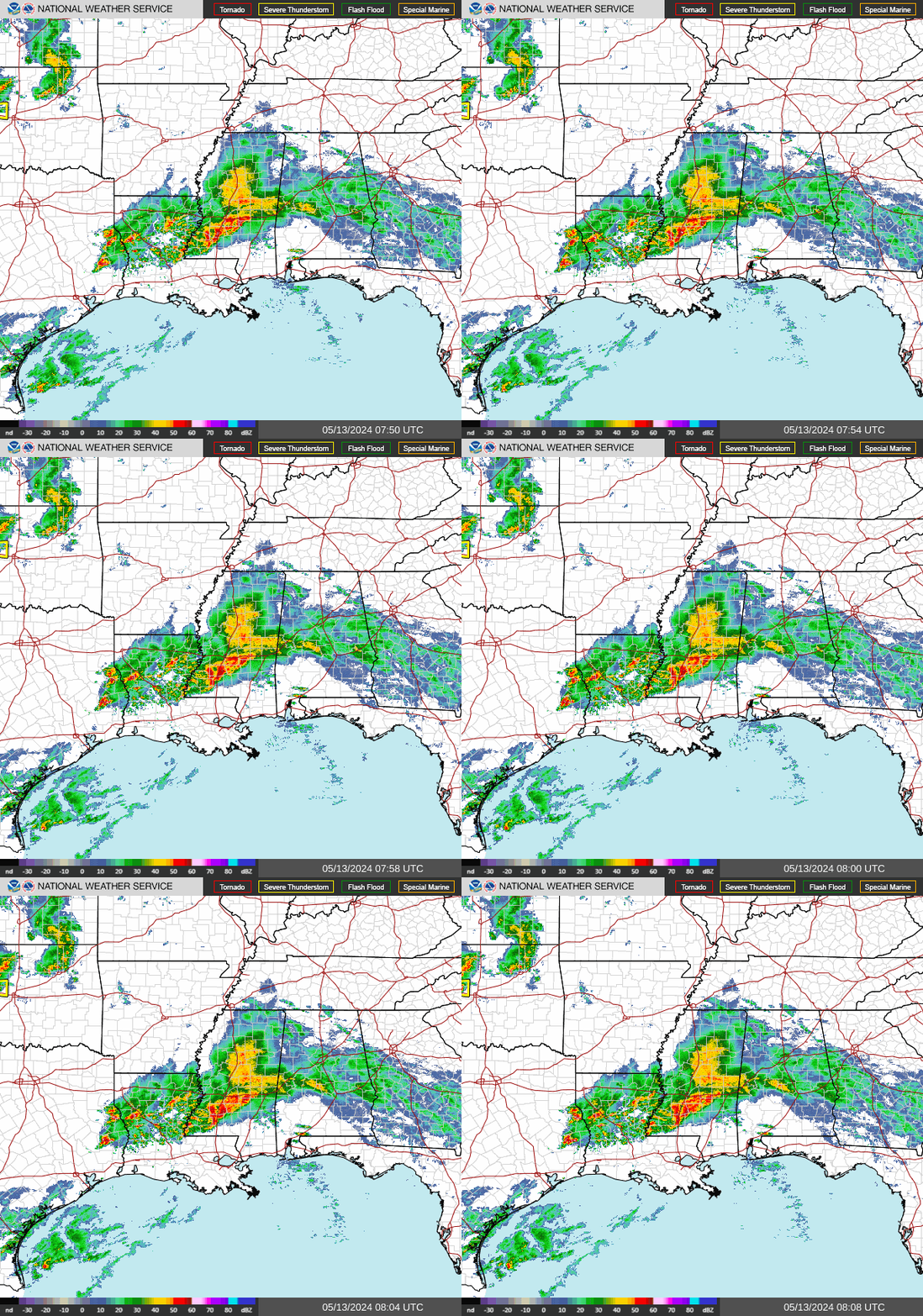
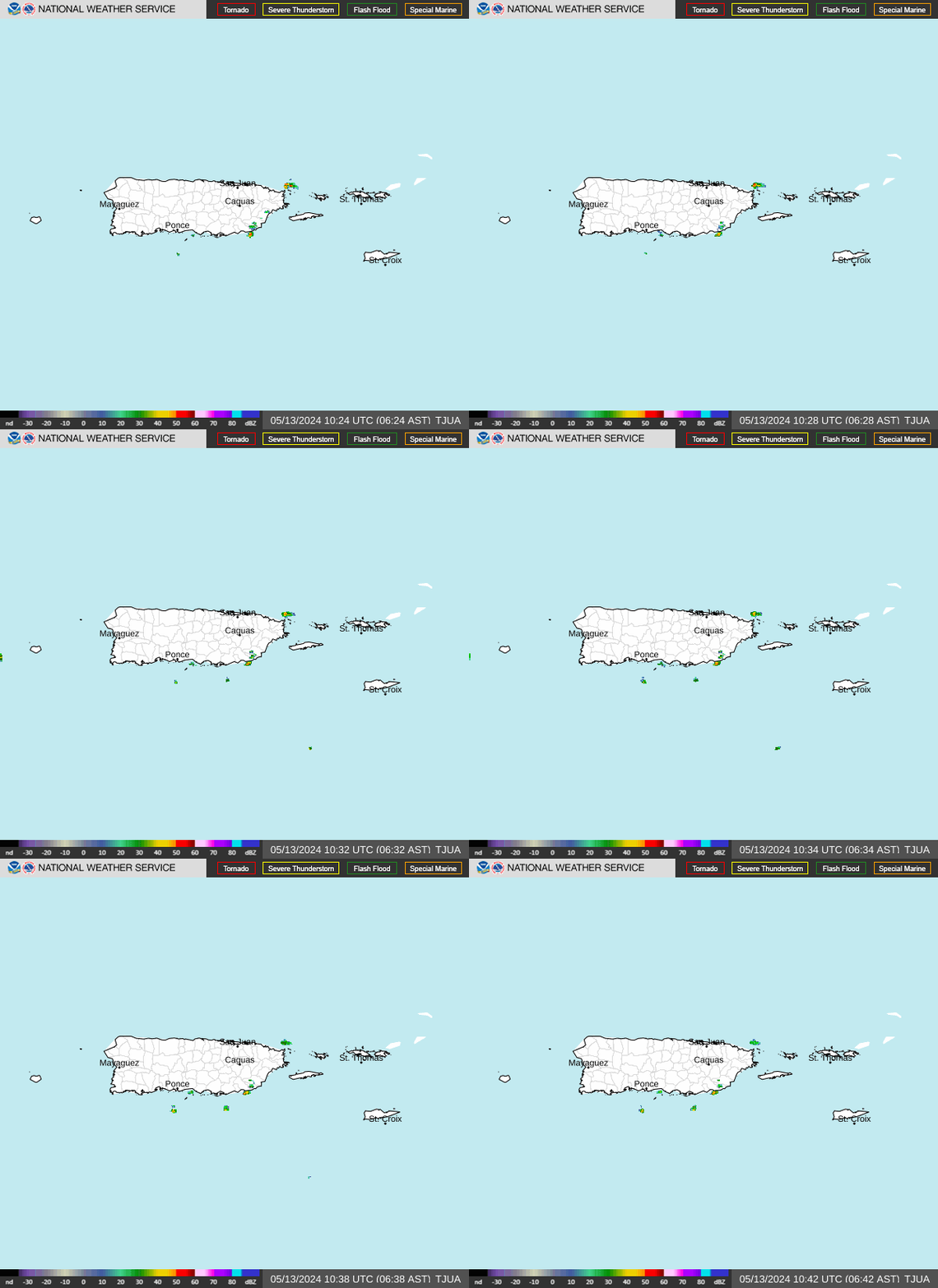
Puerto Rico
Cayman Islands
Bahamas Radar Links:
Bermuda Radar Links:
Jamaica/Hispaniola Radar Links:

Lesser Antilles & Barbados Radar Links:
Mexico & Central America Radar Links:
Saharan Air Layer (SAL) Analysis
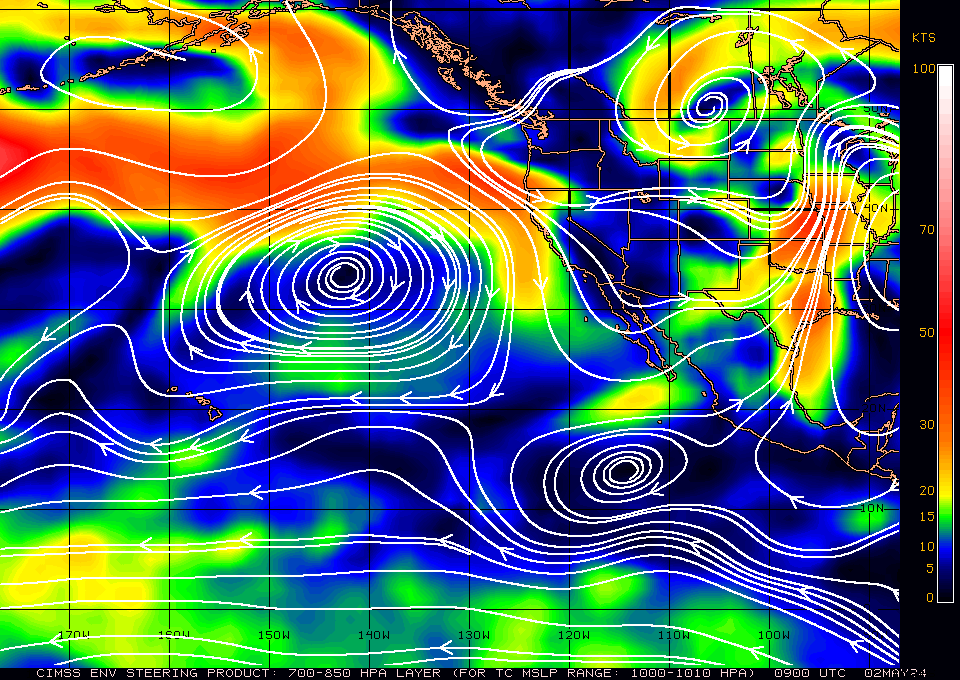
Current Tropical Atlantic Surface Weather Analysis
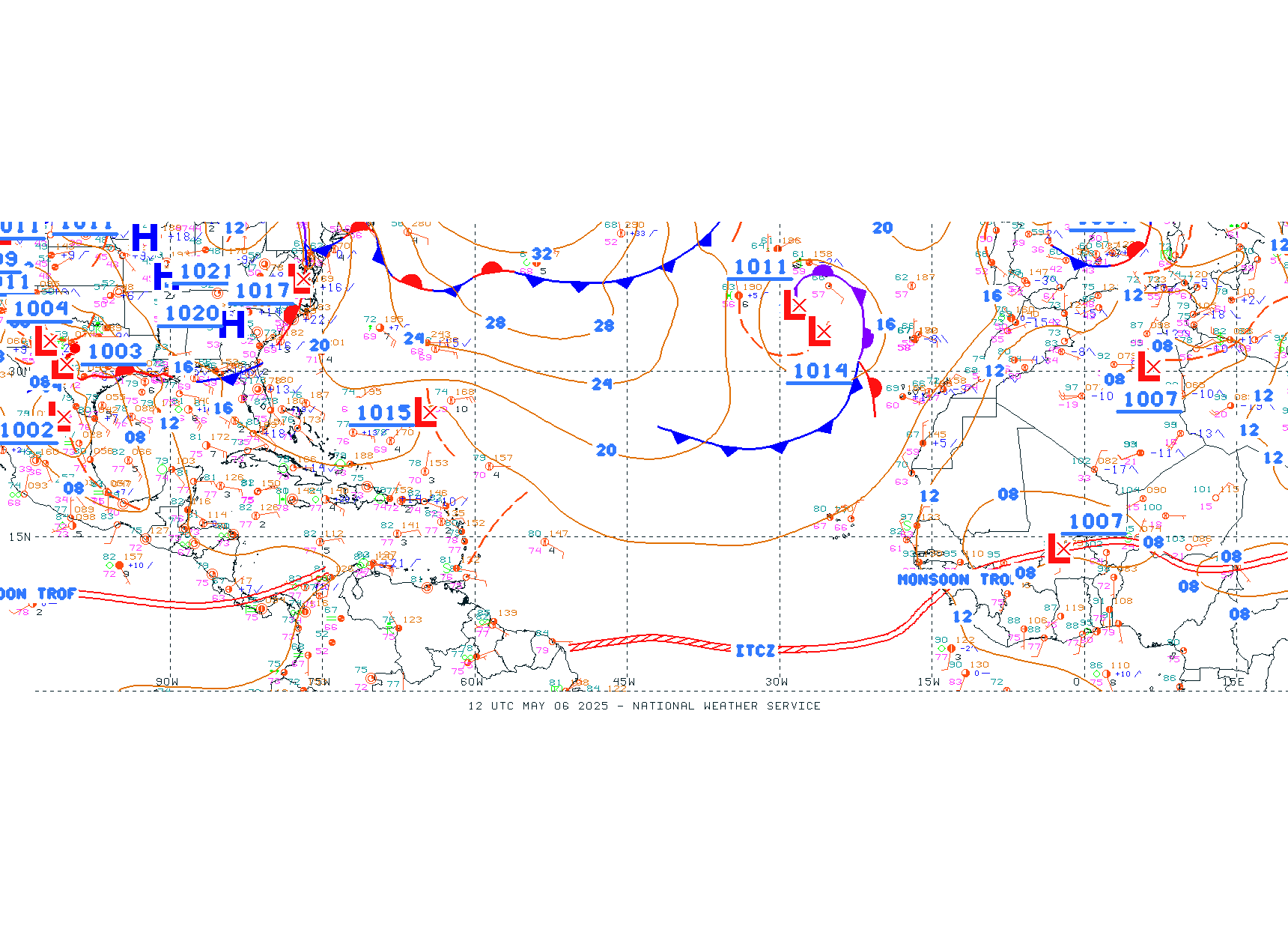
Current Surface Analysis
Southwest North Atlantic
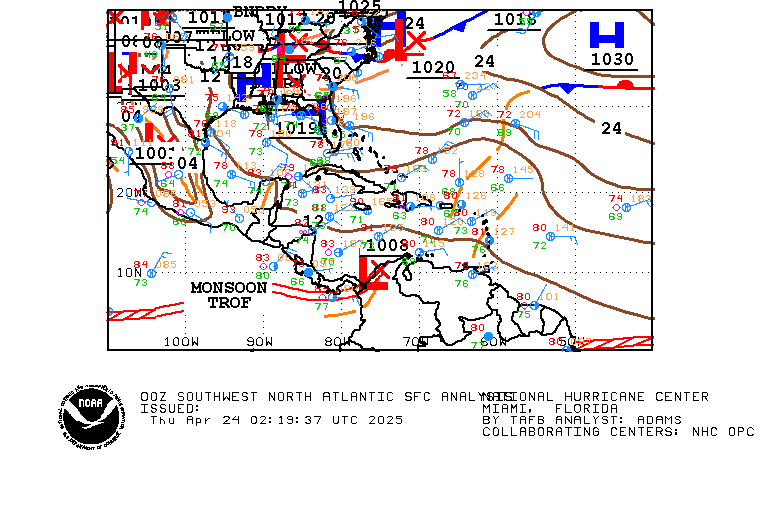
Caribbean
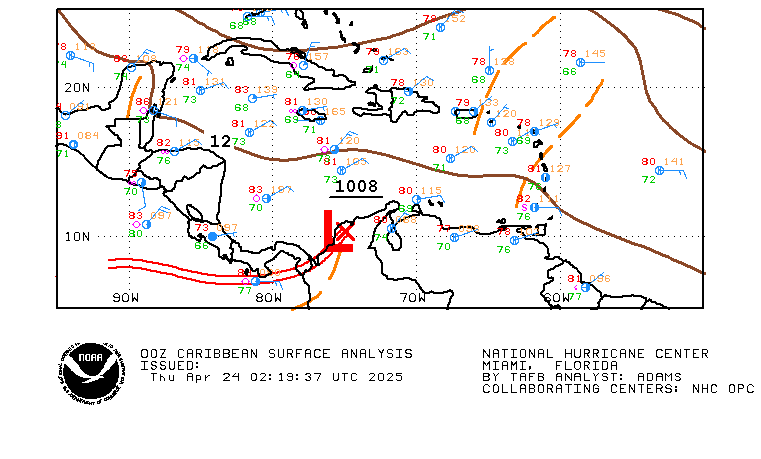
Current Gulf of Mexico Surface Analysis
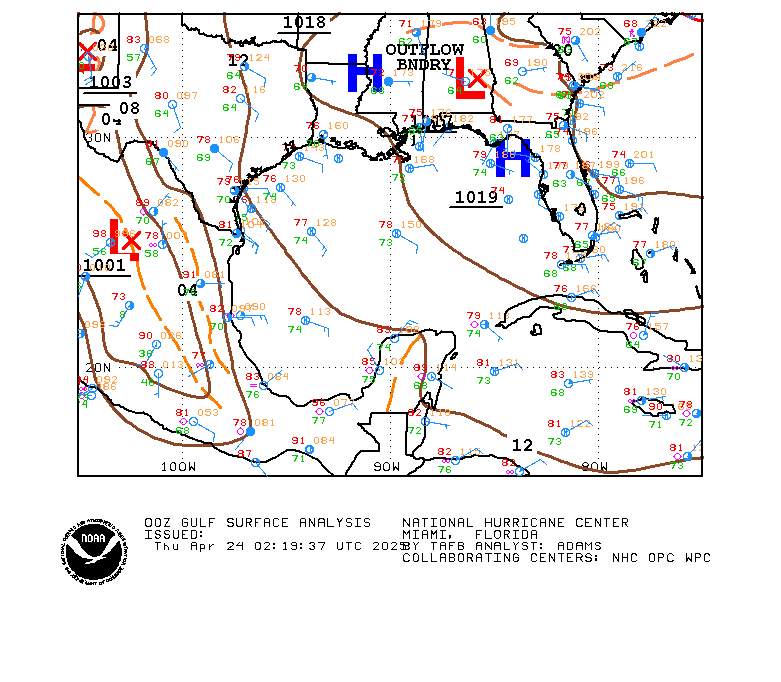
Current US Surface Map
Northeast
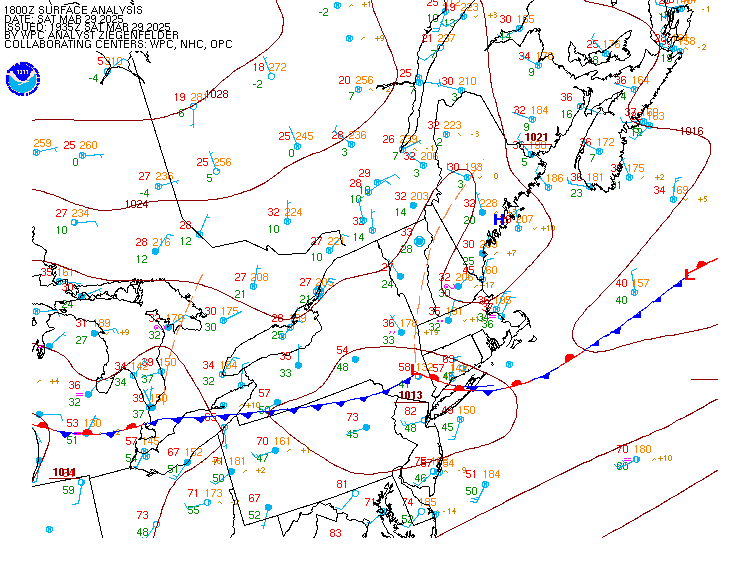
Mid-Atlantic
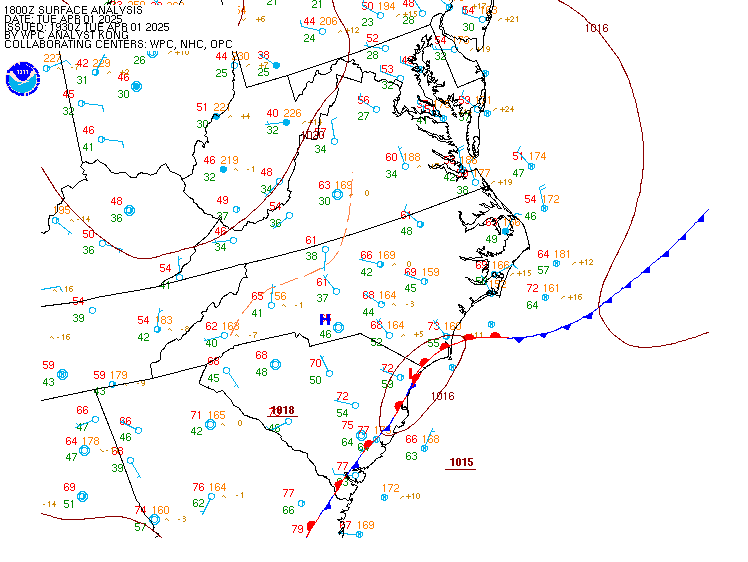
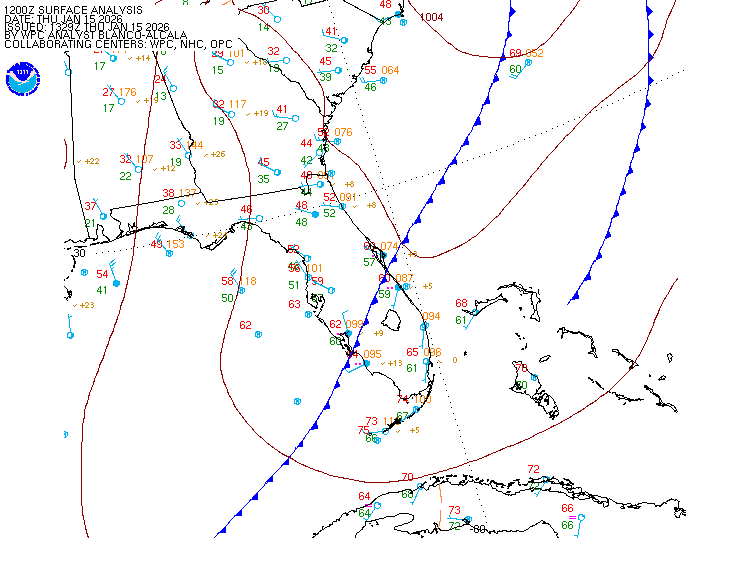
Southeast
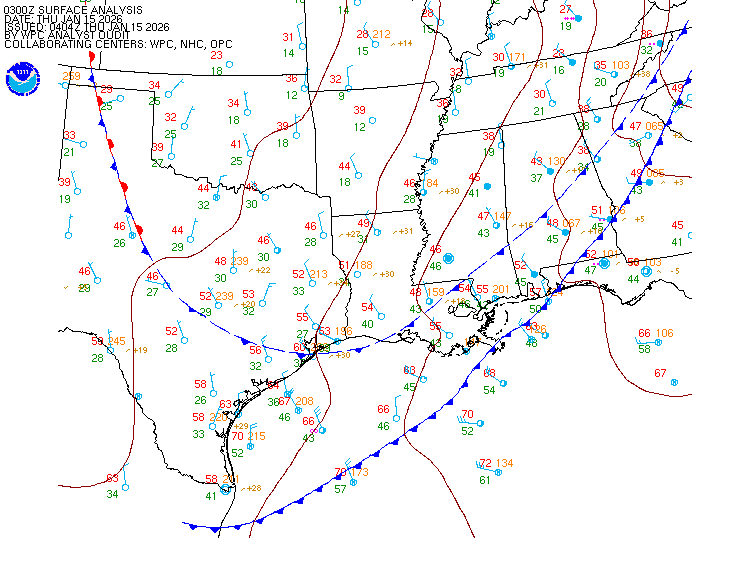
Northern/Western Gulf Coast
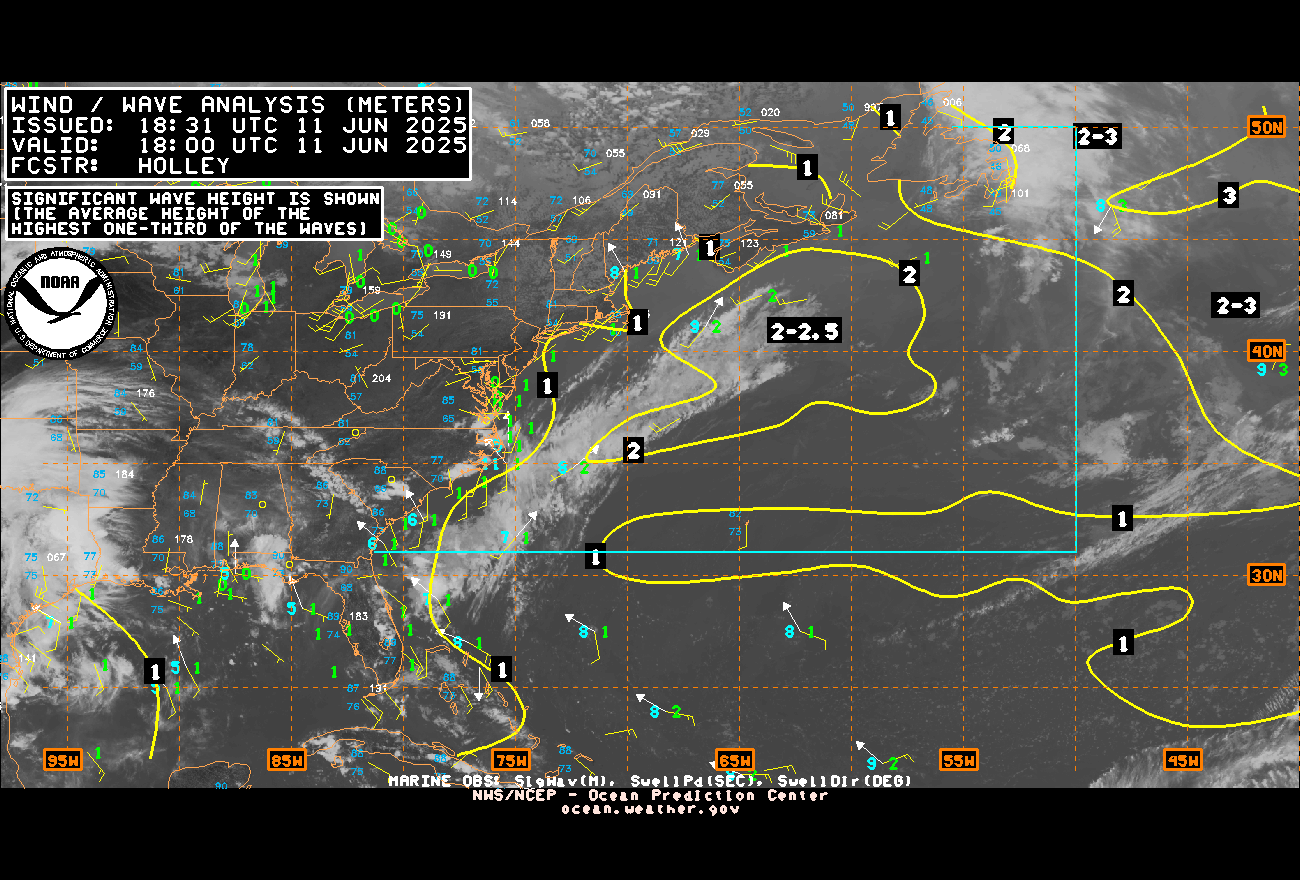
Western Atlantic Wind and Wave Analysis
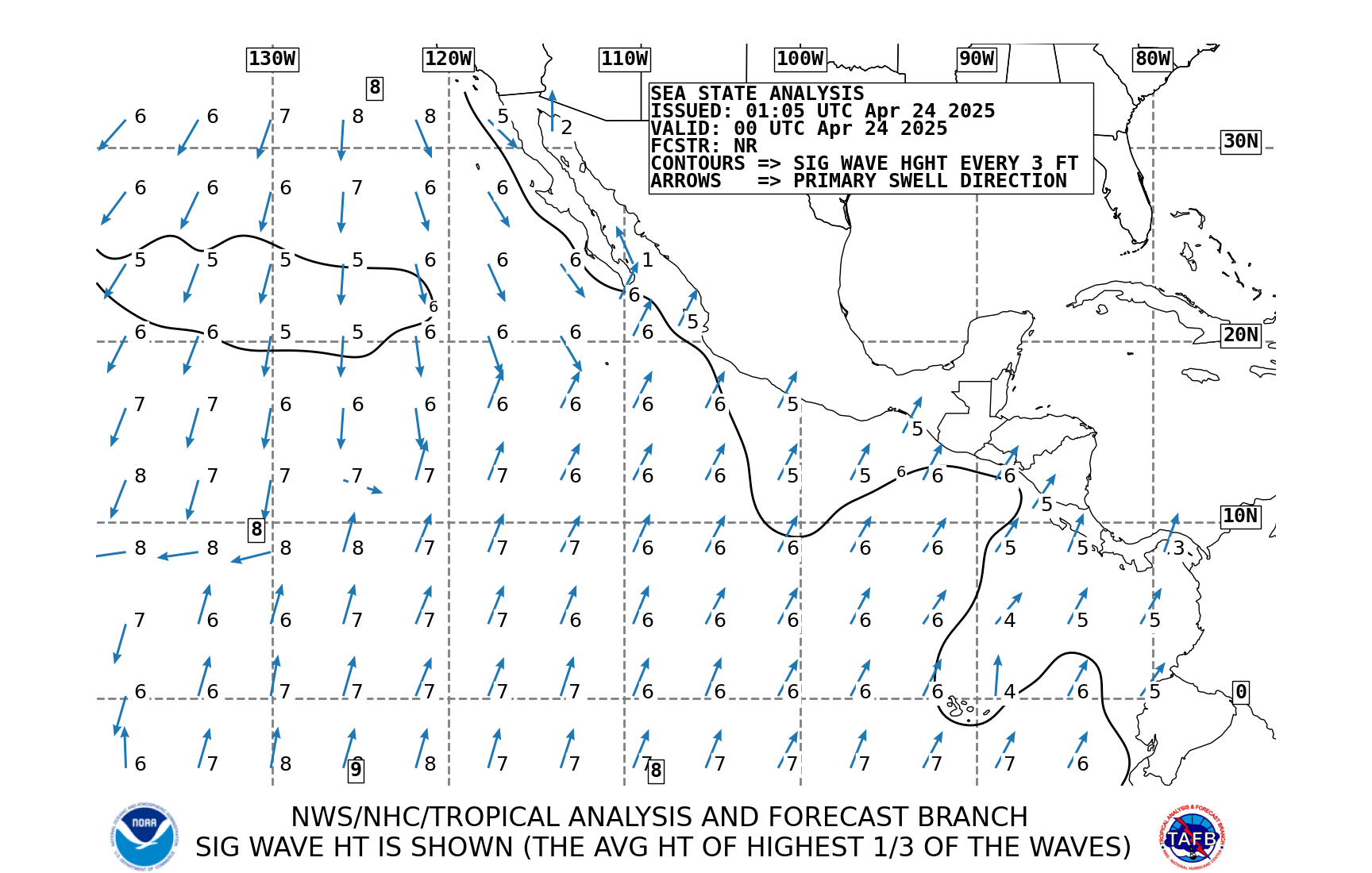
Current Atlantic Sea State Analysis

24 Hour NHC Surface Forecast
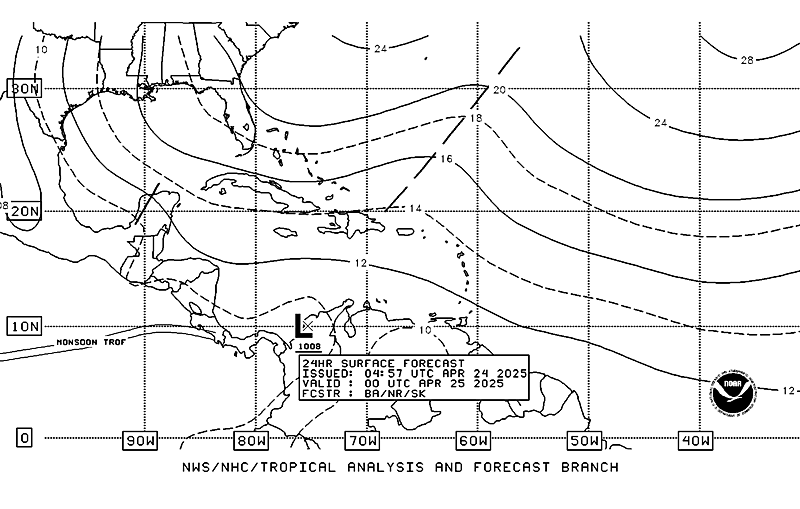
24 Hour NHC Wind & Wave Forecast
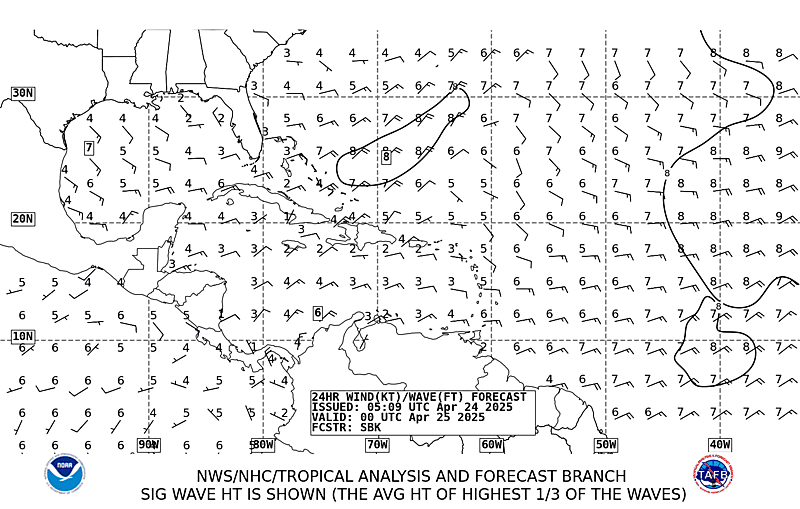
36 Hour NHC Wind & Wave Forecast
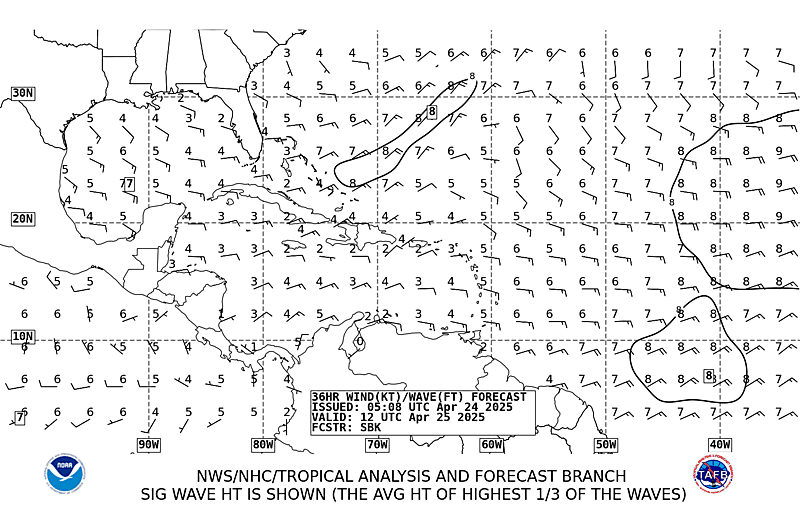
48 Hour NHC Surface Forecast
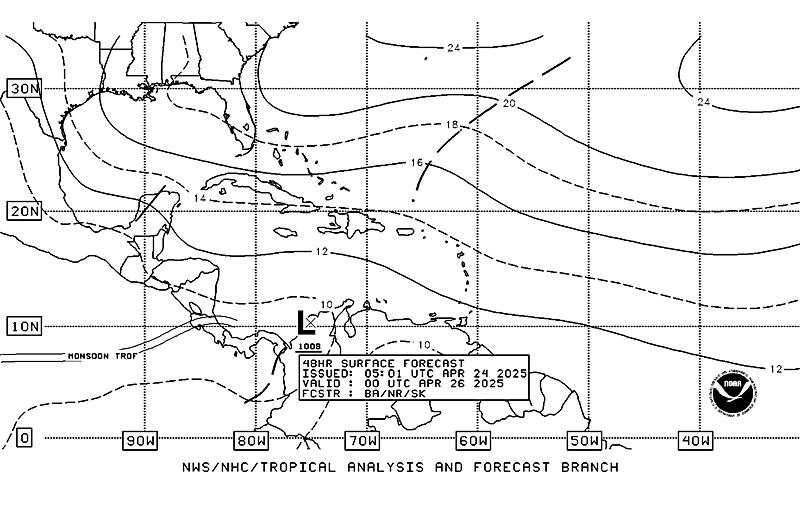
48 Hour NHC Wind & Wave Forecast
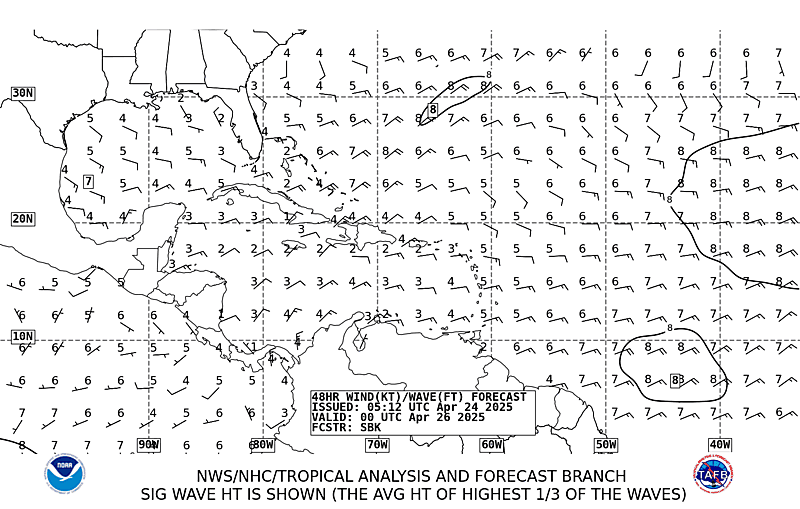
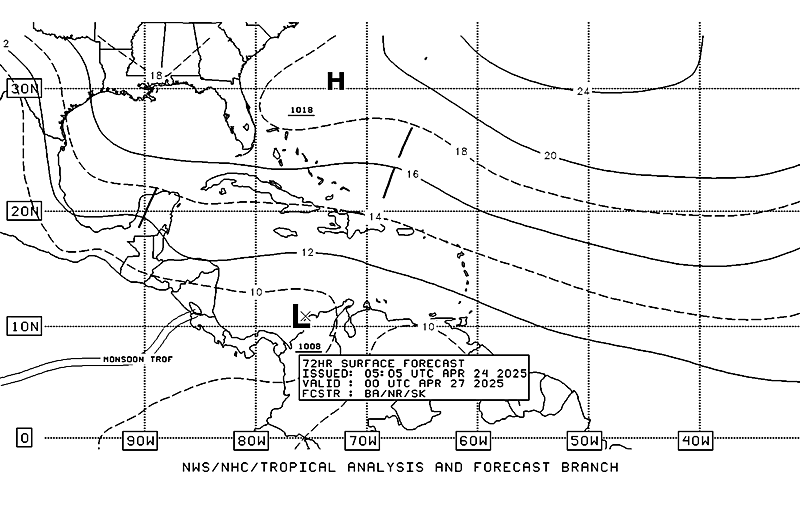
72 Hour NHC Surface Forecast
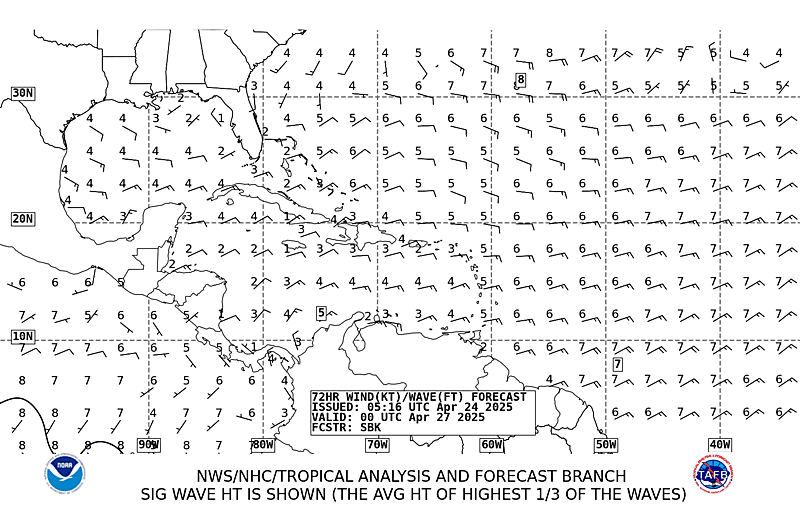
72 Hour NHC Wind & Wave Forecast
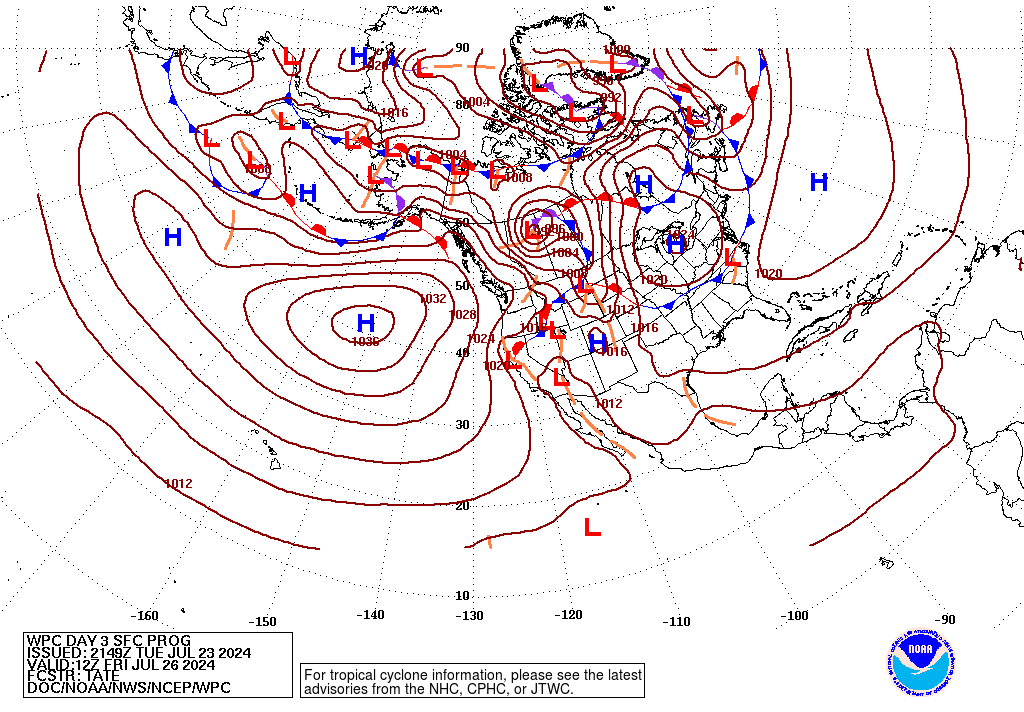
Day 3 Forecast Surface Weather Map
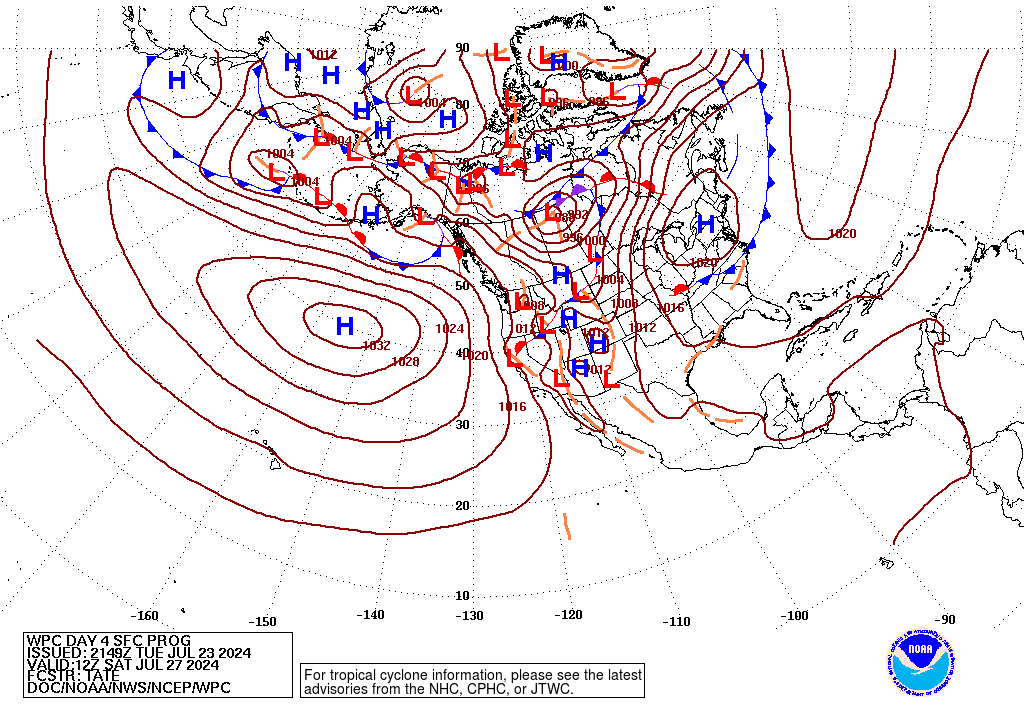
Day 4 Forecast Surface Weather Map
Day 5 Forecast Surface Weather Map
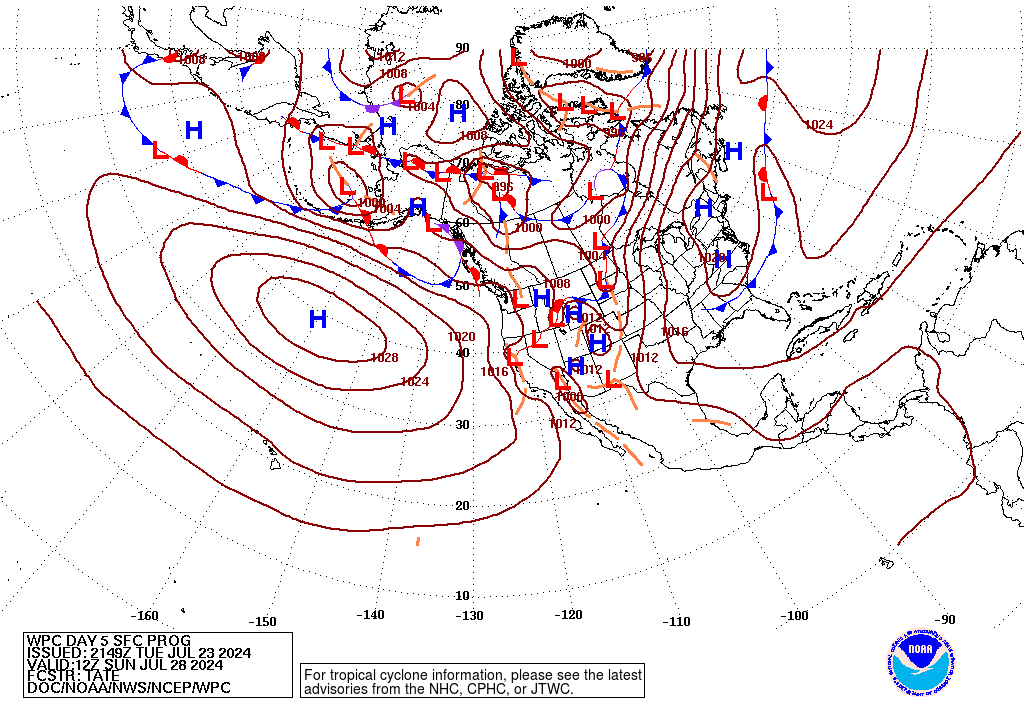
Day 6 Forecast Surface Weather Map
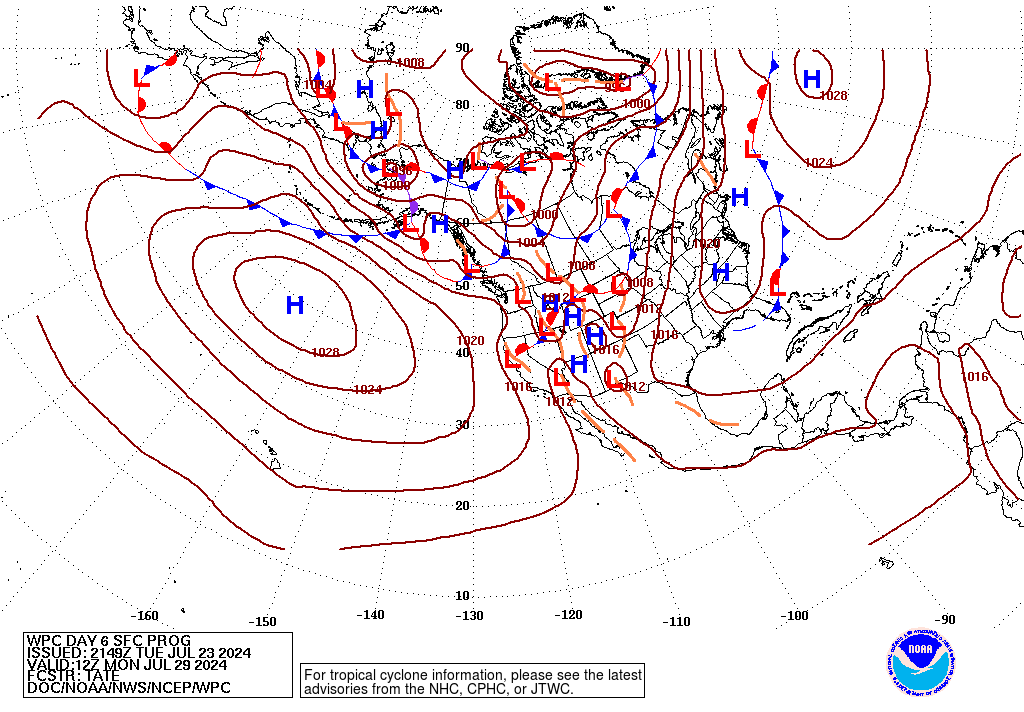
Day 7 Forecast Surface Weather Map
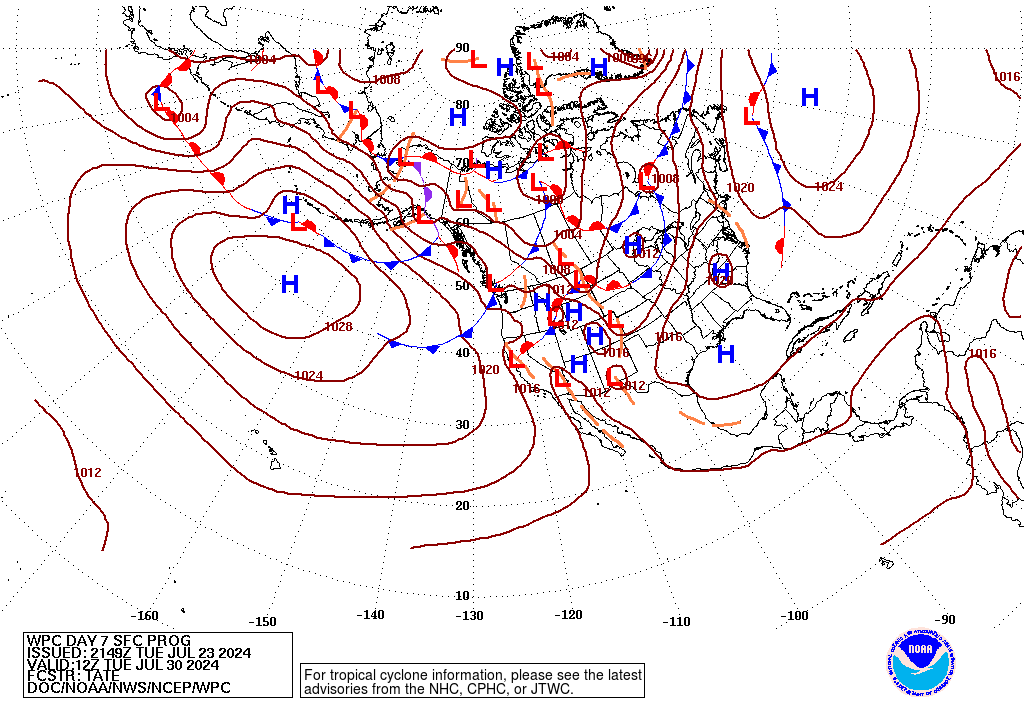
Wind Analysis
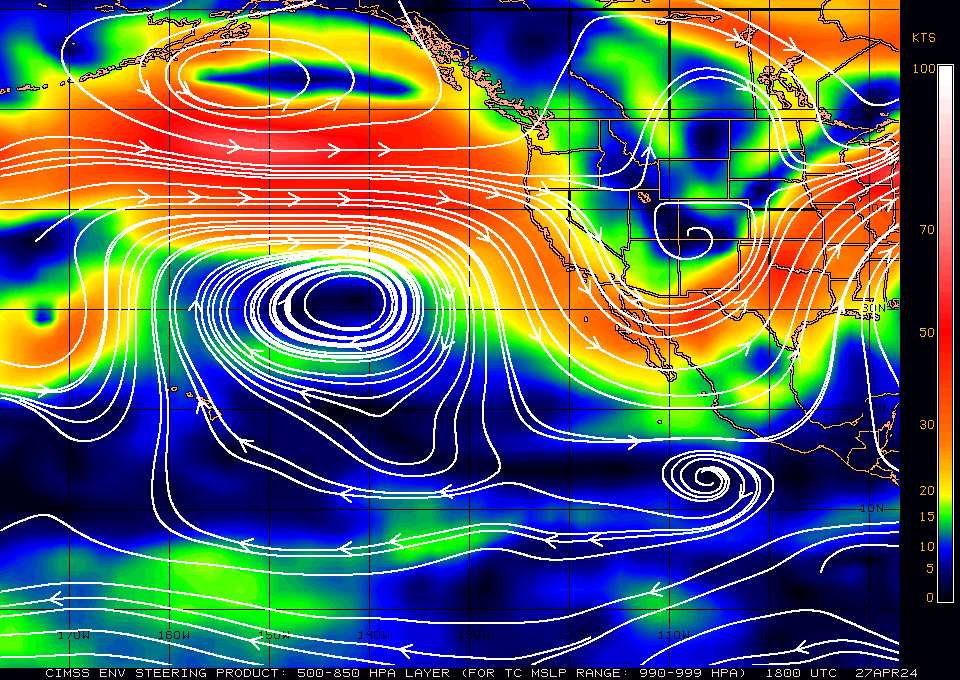
700-850 mb Mean
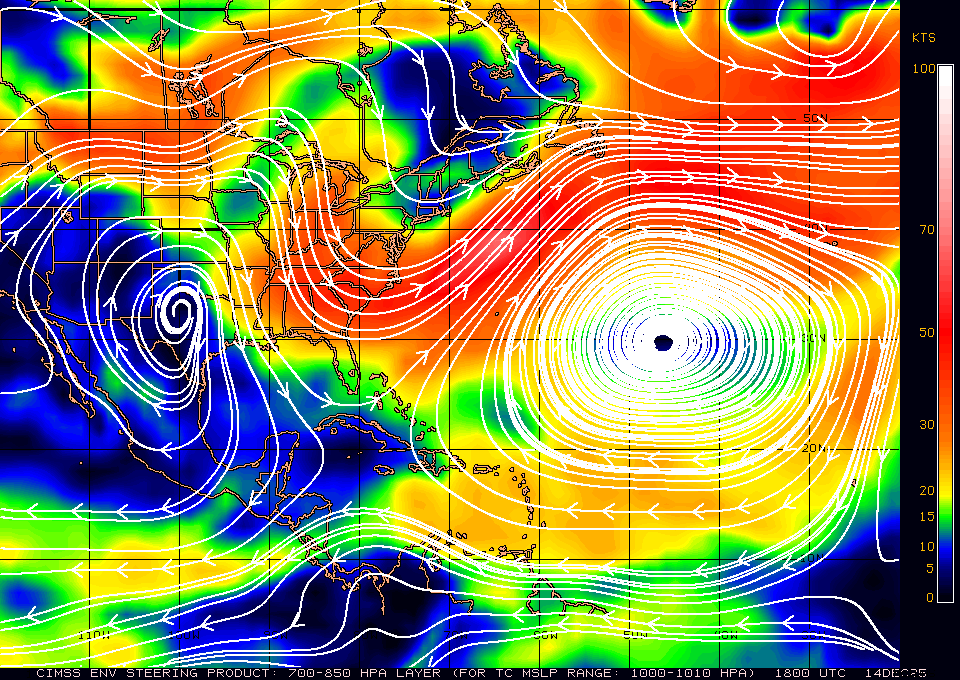
700-850 mb Mean
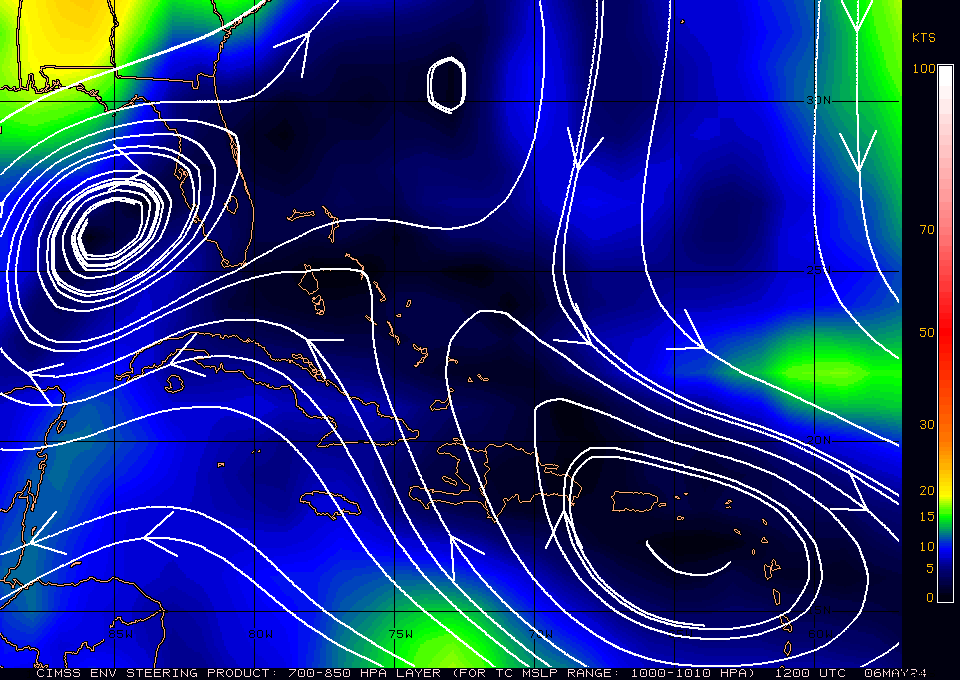
500-850 mb Mean
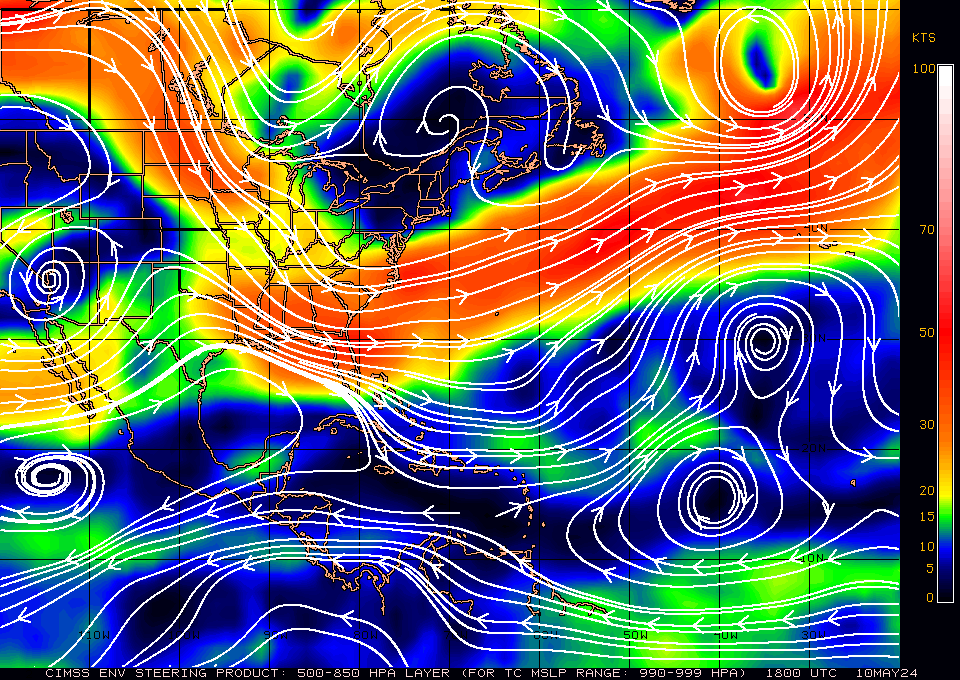
500-850 mb Mean
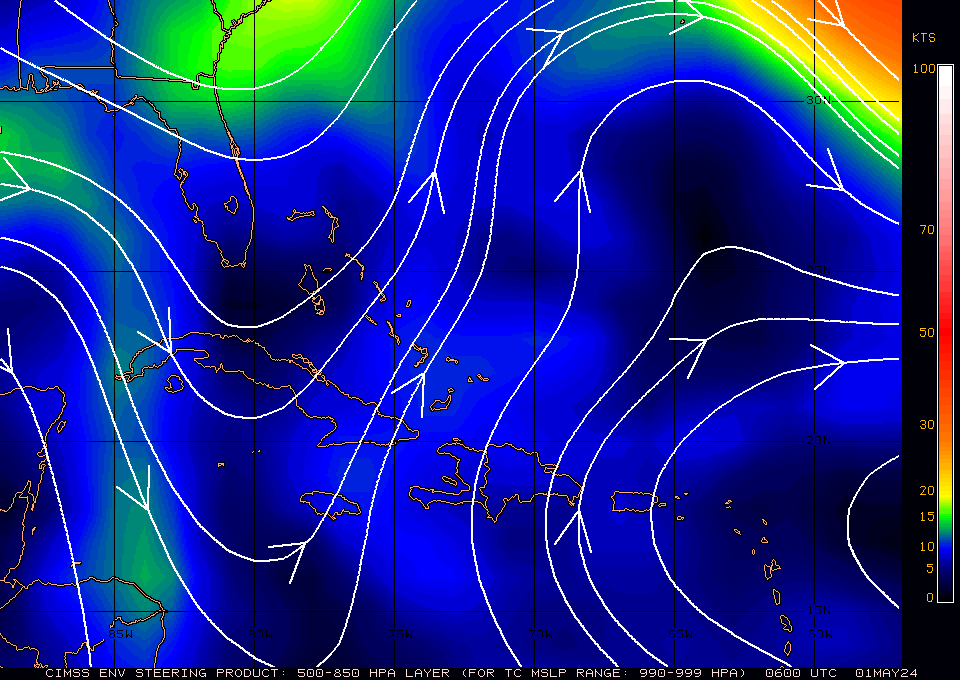
400-850 mb Mean
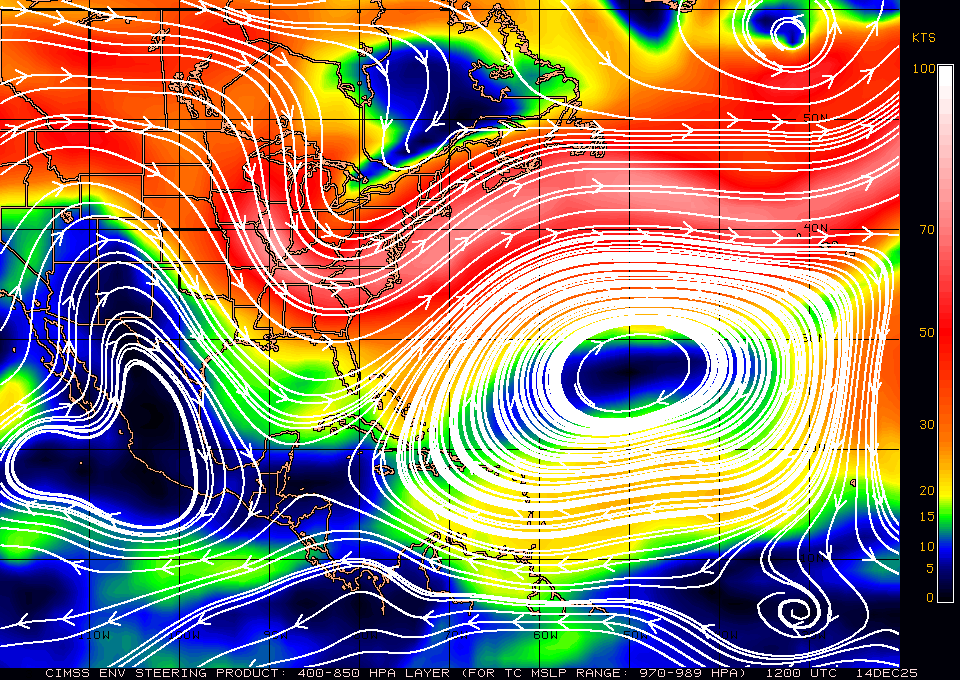
400-850 mb Mean
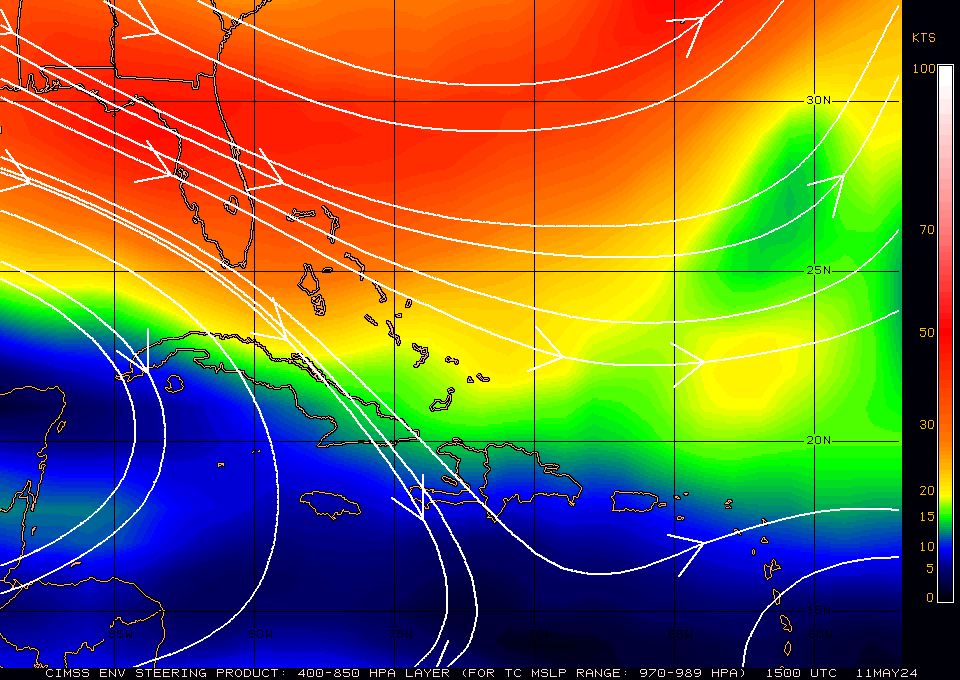
300-850 mb Mean
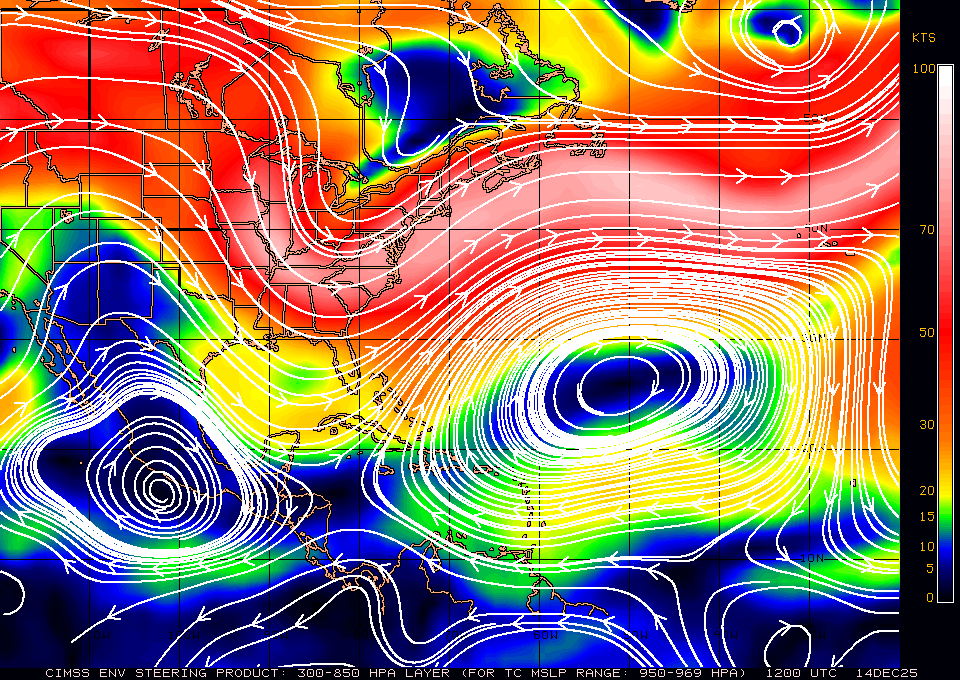
300-850 mb Mean
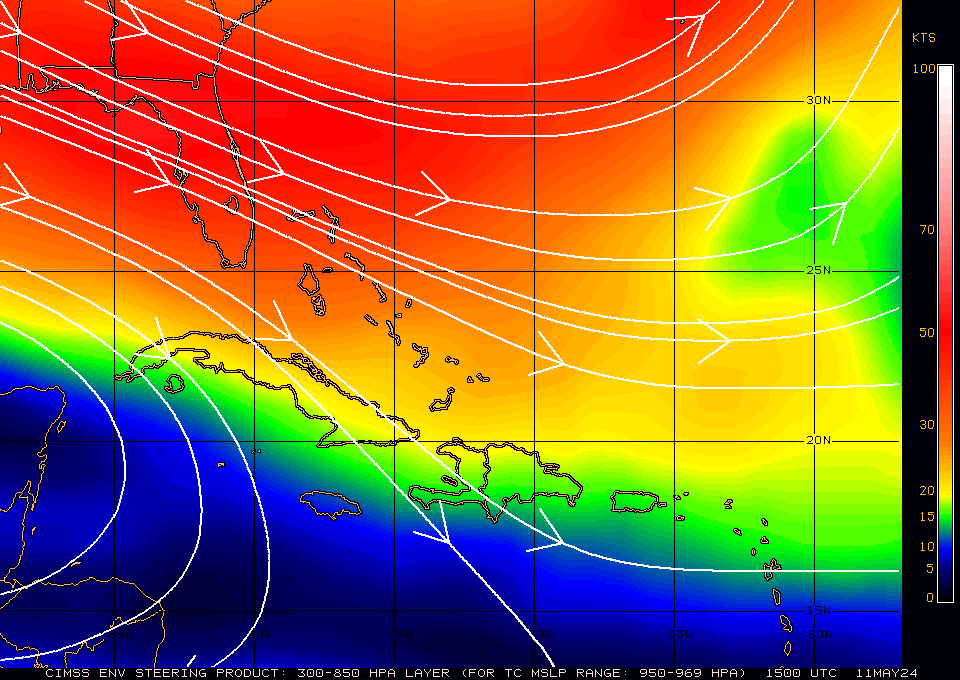
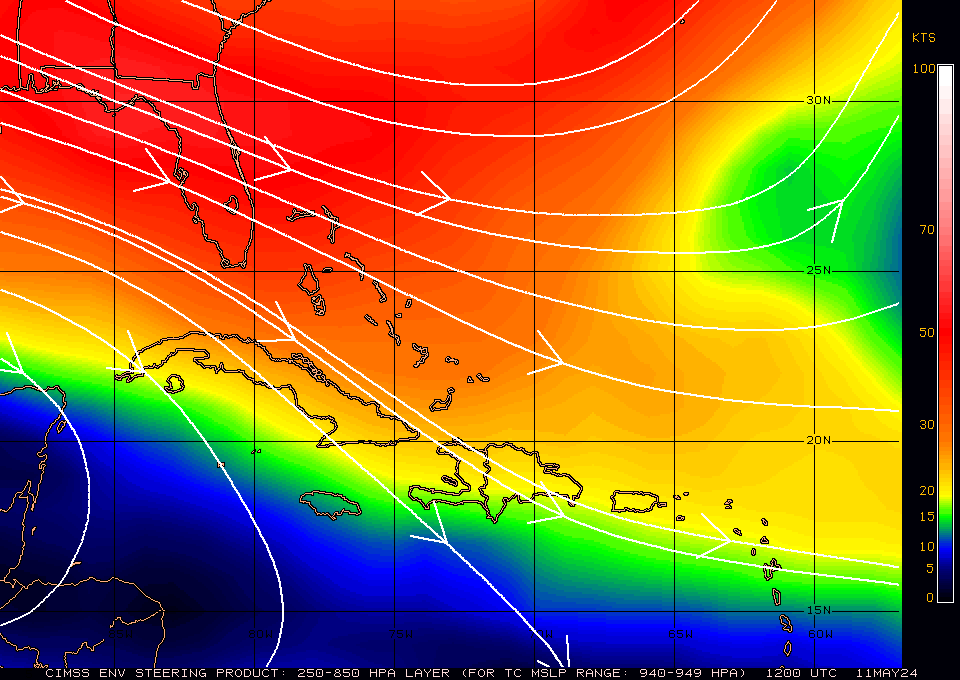
250-850 mb Mean
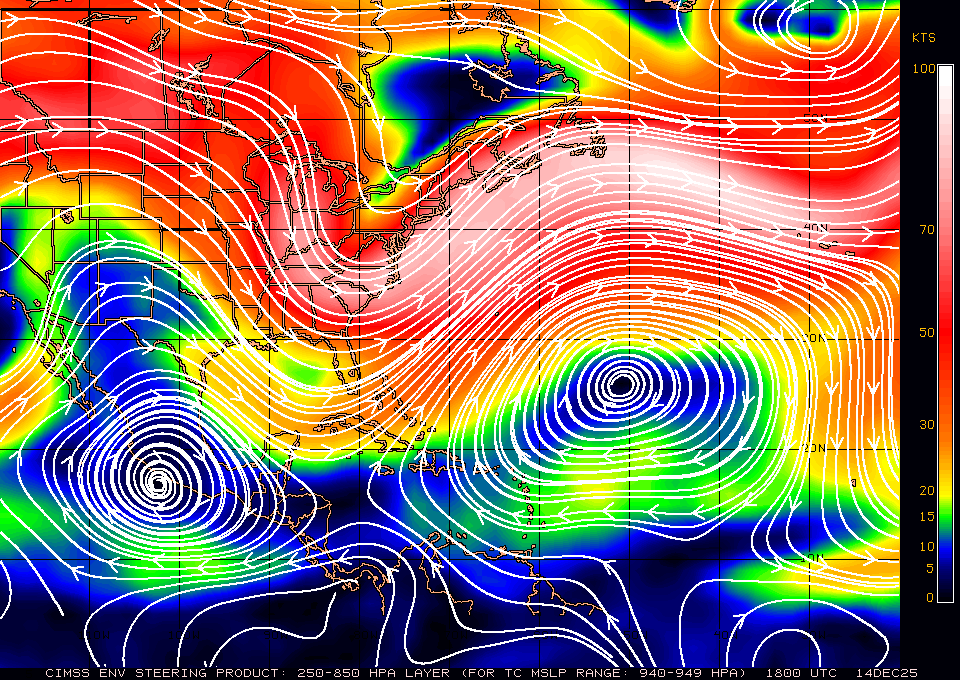
250-850 mb Mean
200-700 mb Mean
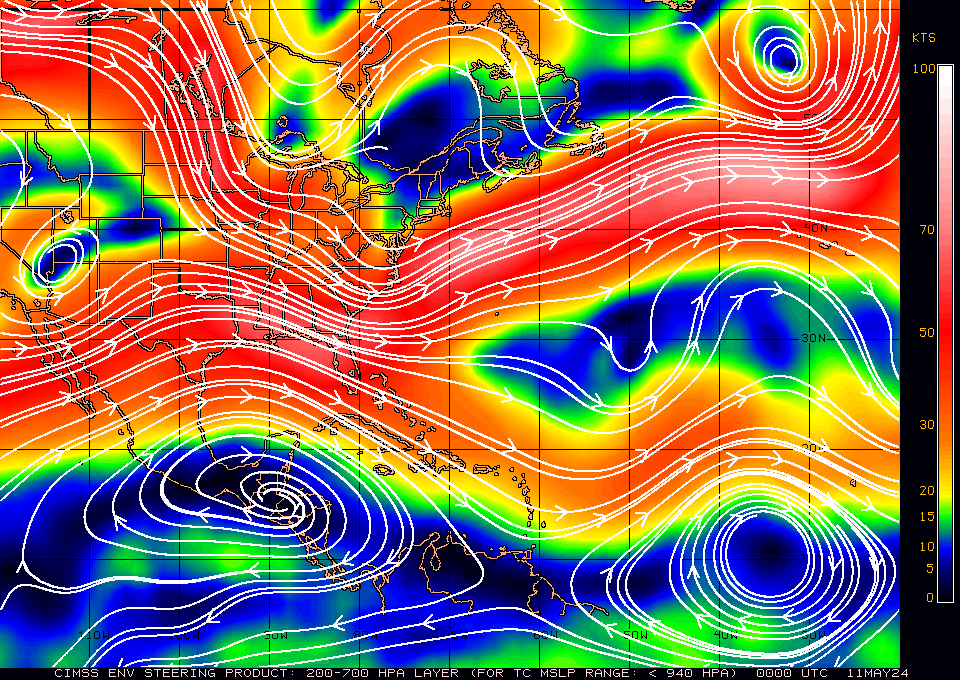
200-700 mb Mean
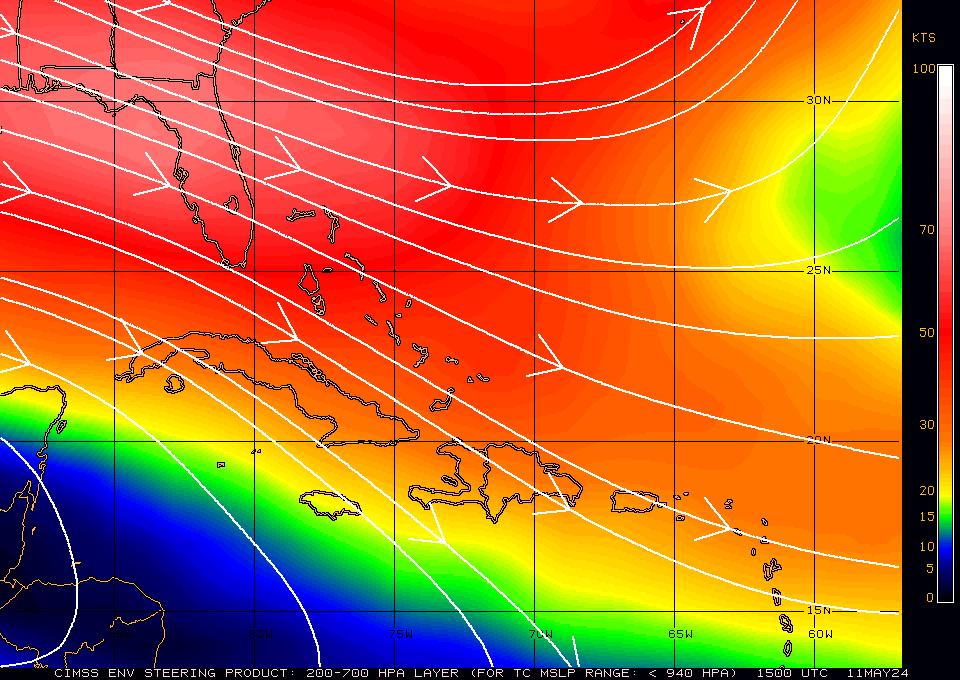
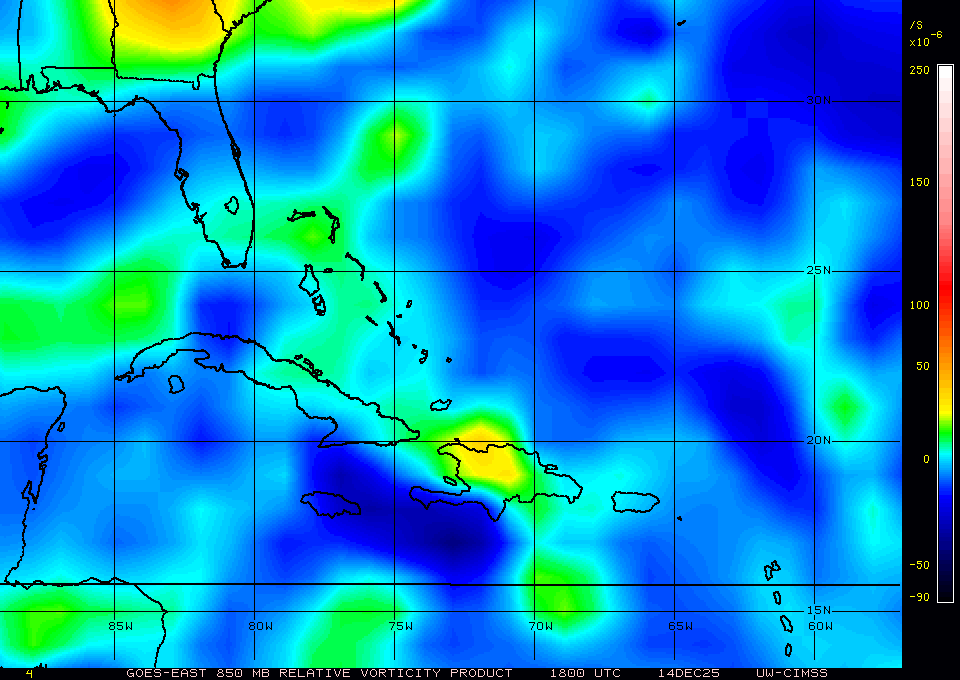
Current Atlantic 850 mb Relative Vorticity Analysis
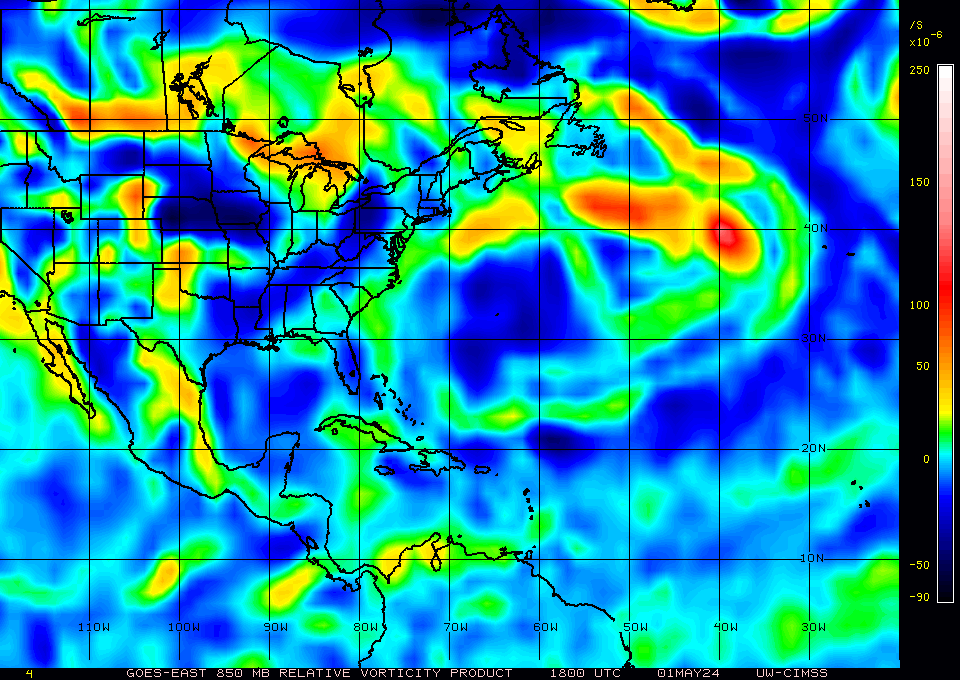
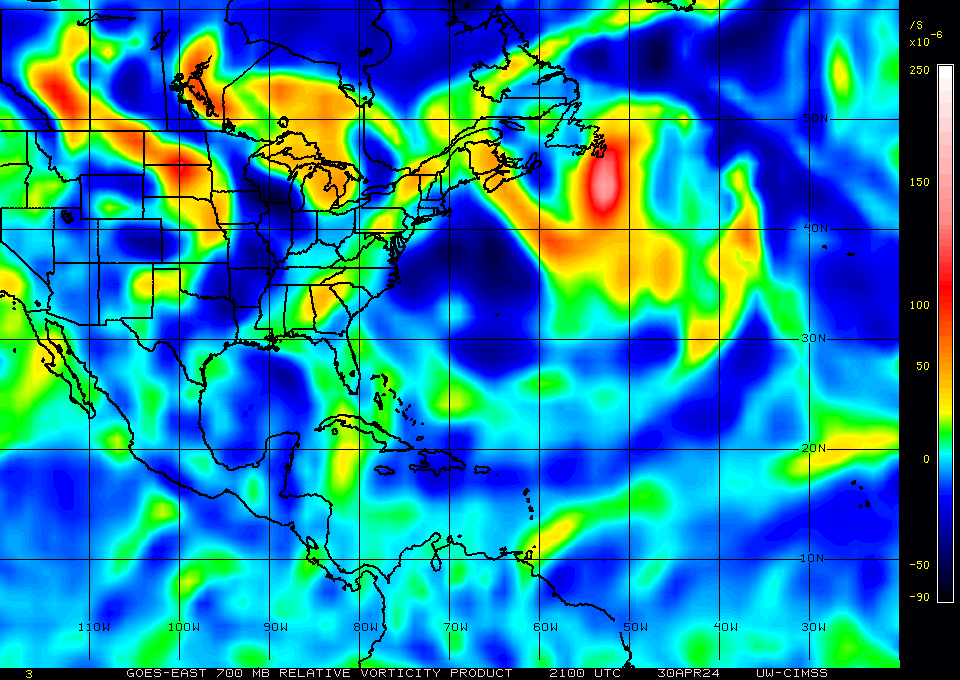
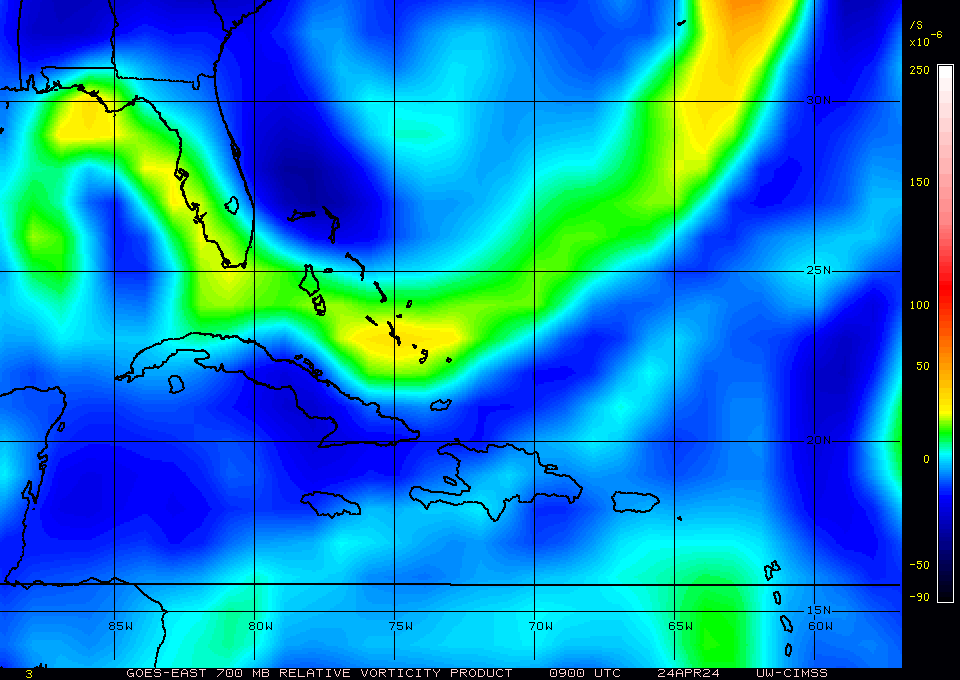
Current Atlantic 700 mb Relative Vorticity Analysis
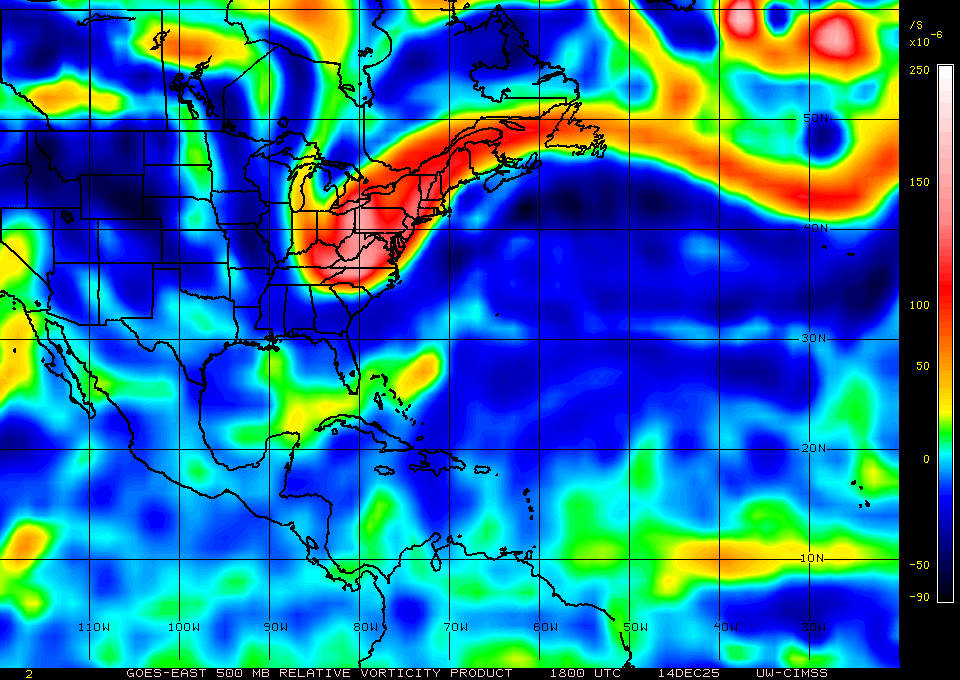
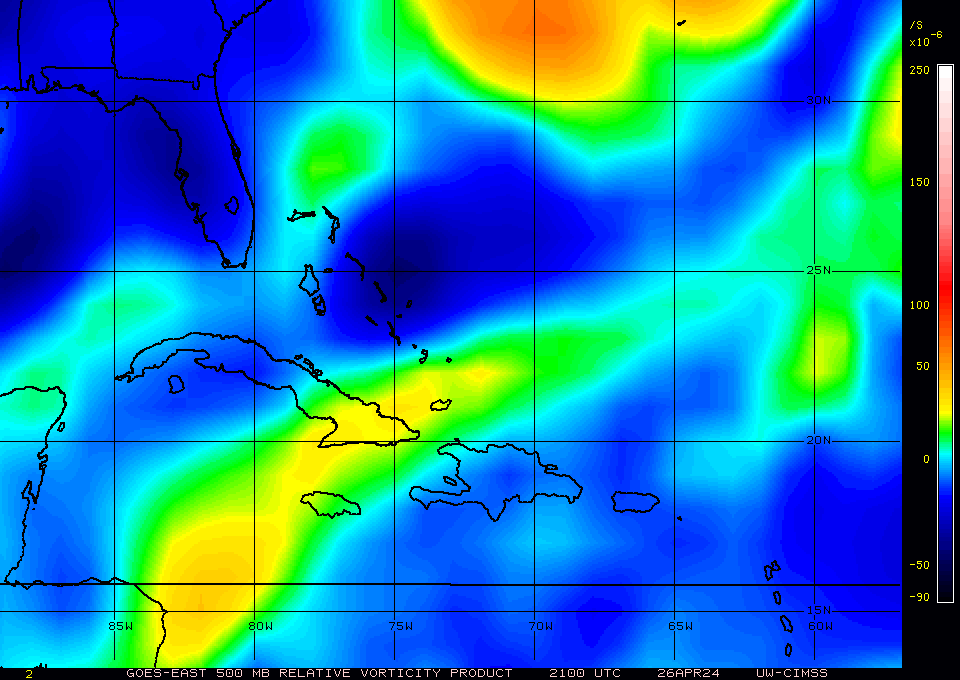
Current Atlantic 500 mb Relative Vorticity Analysis
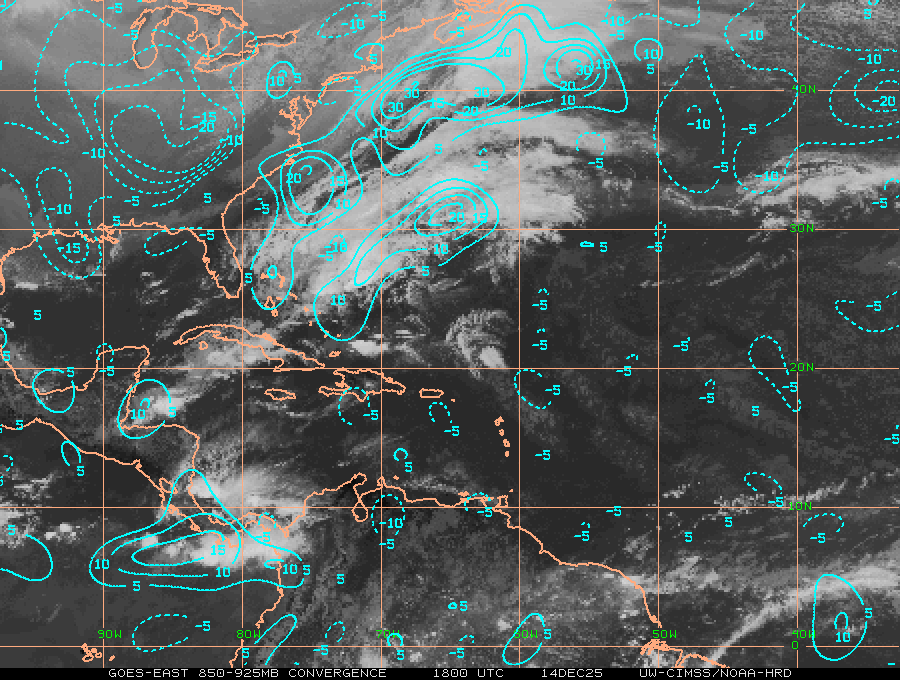
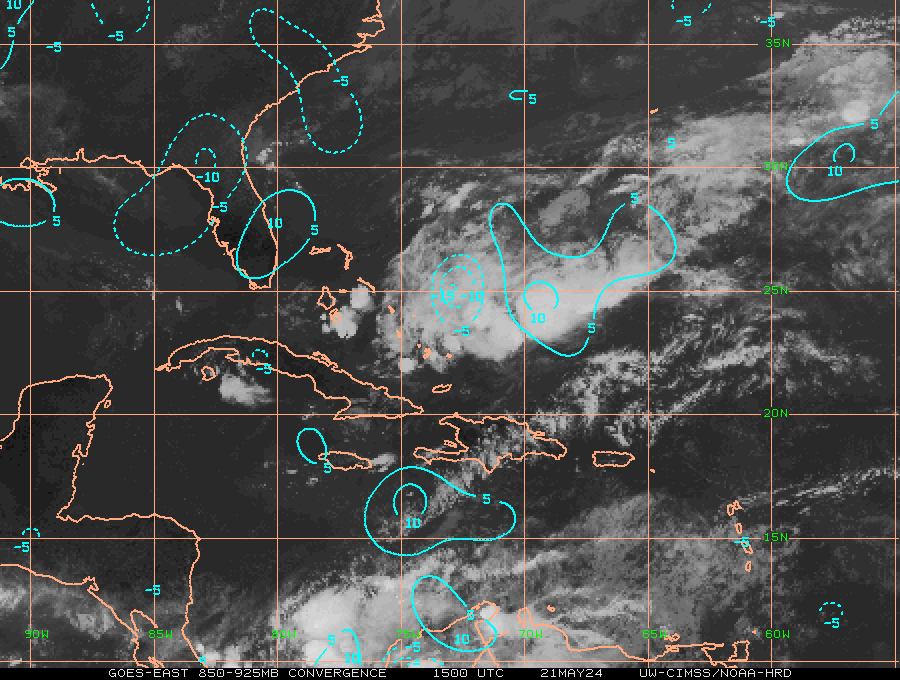
Current Atlantic Low-Level Convergence Analysis
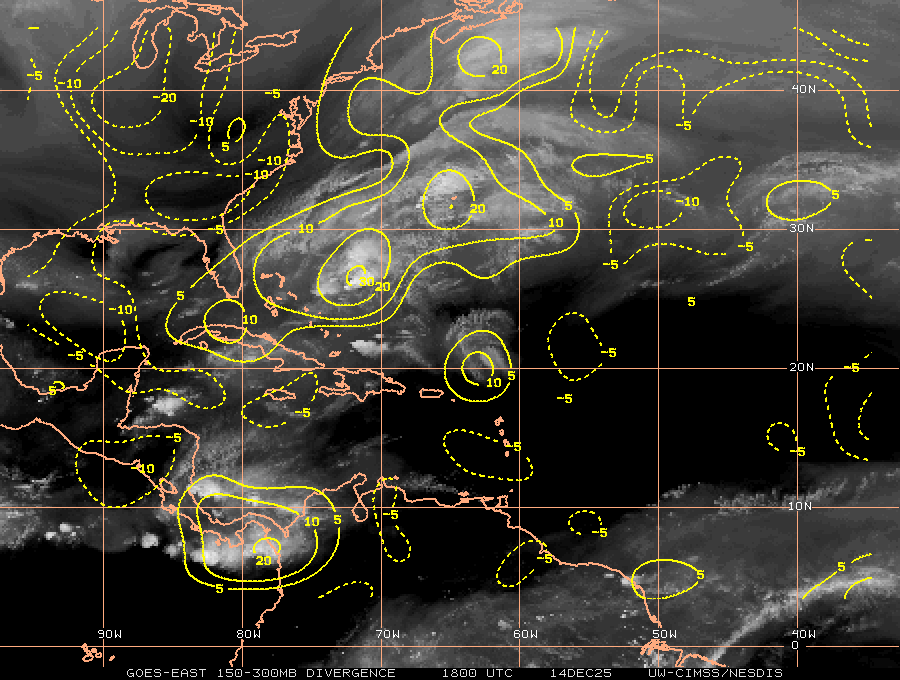
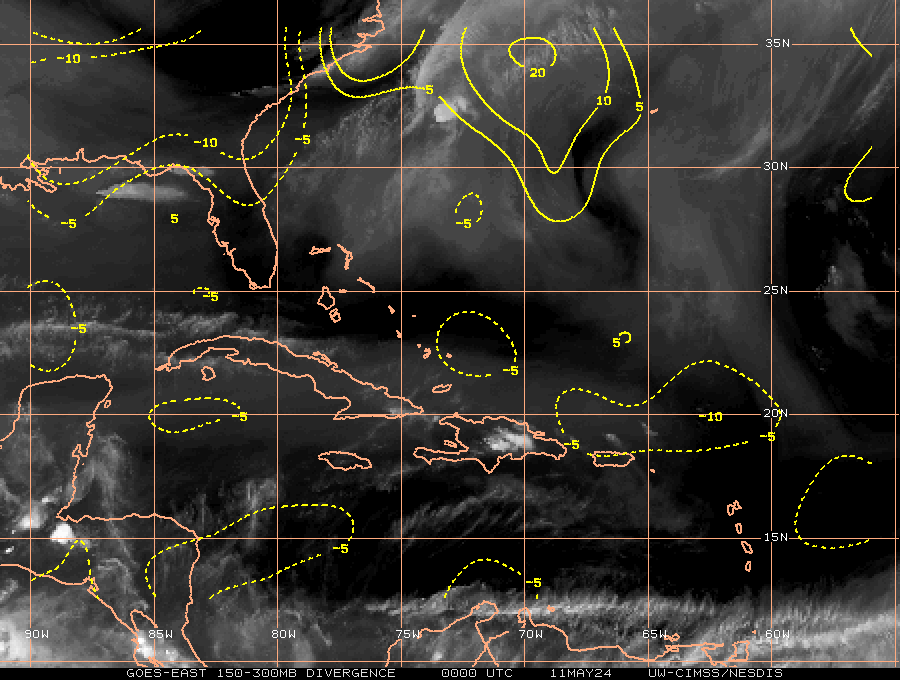
Current Atlantic Upper-Level Divergence Analysis
Probability Of Tropical Cyclone Formation
Within 24 Hours

Within 24 To 48 Hours

Vertical Wind Shear Forecast (850-200 mbs)
Next 24 Hours

Next 24 To 48 Hours

Current Atlantic Wind Shear Analysis
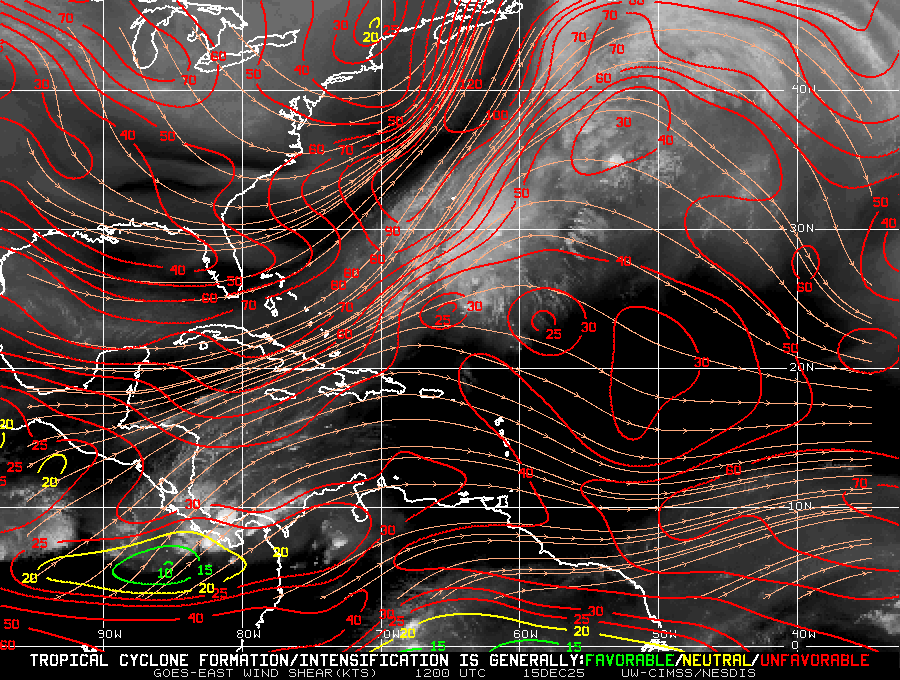

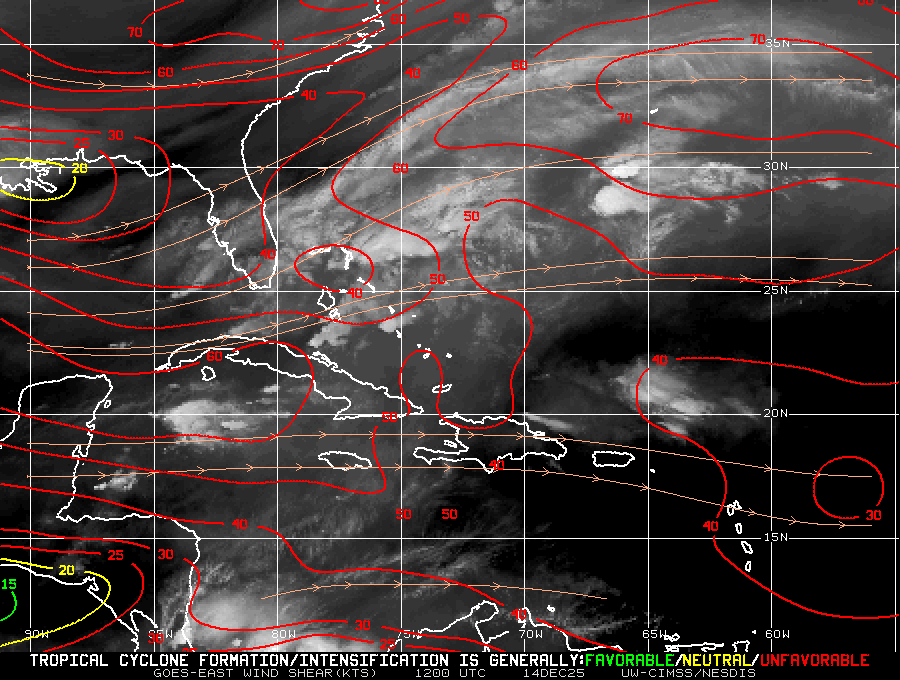
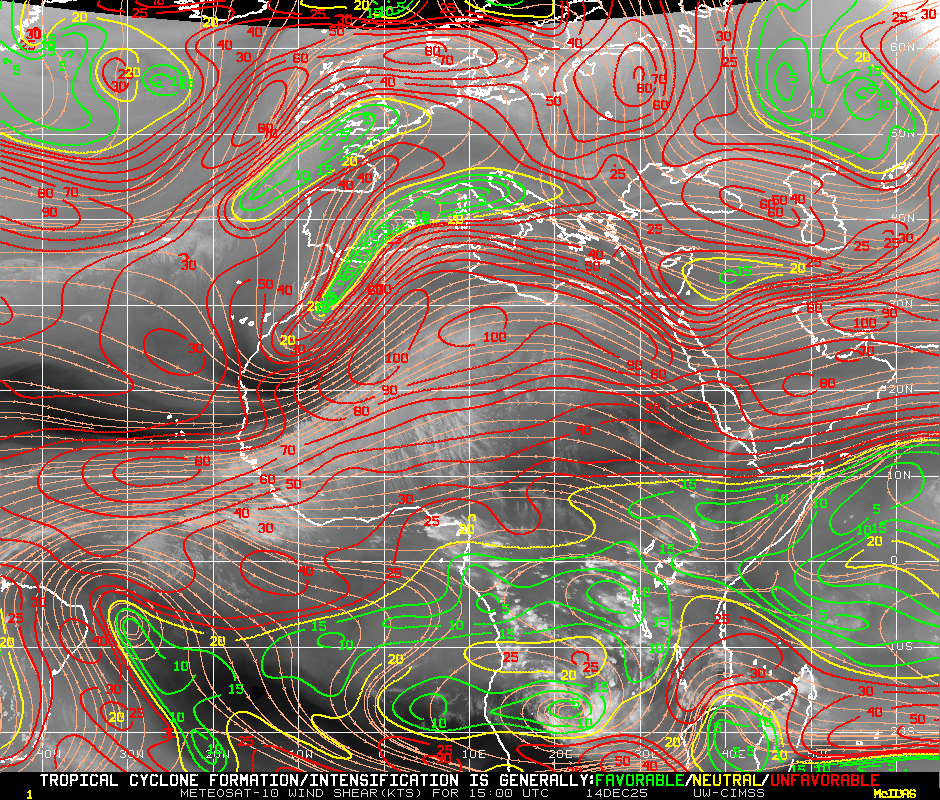
Current Wind Shear Tendency Analysis
Atlantic
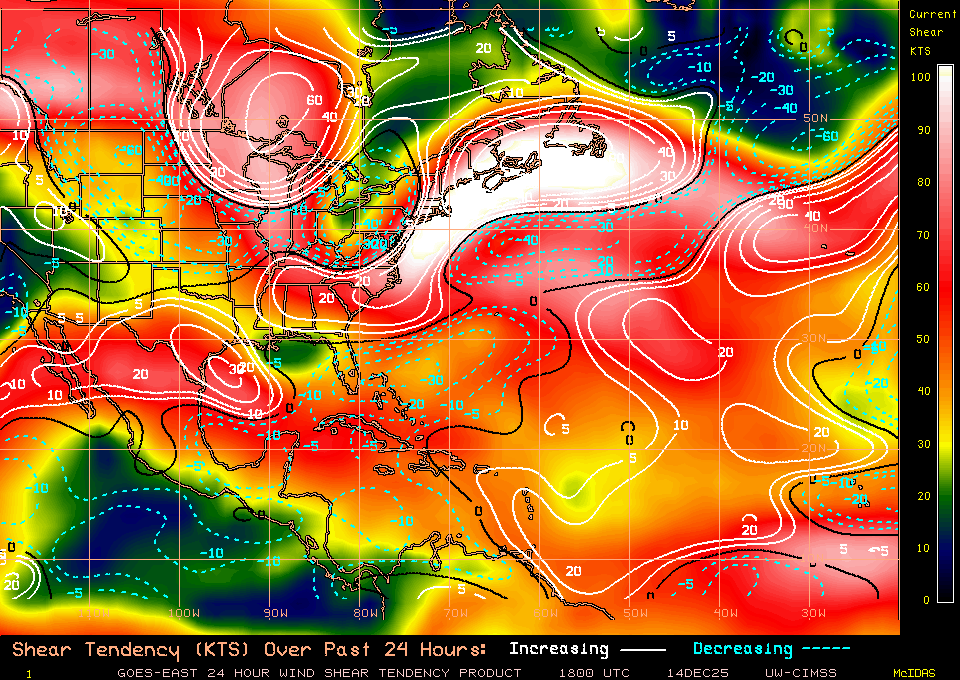
Favorable Environmental Conditions For Tropical Development
24 Hour Forecast

36 Hour Forecast

48 Hour Forecast

60 Hour Forecast

72 Hour Forecast

96 Hour Forecast
120 Hour Forecast
Current Sea Surface Temperature Analysis
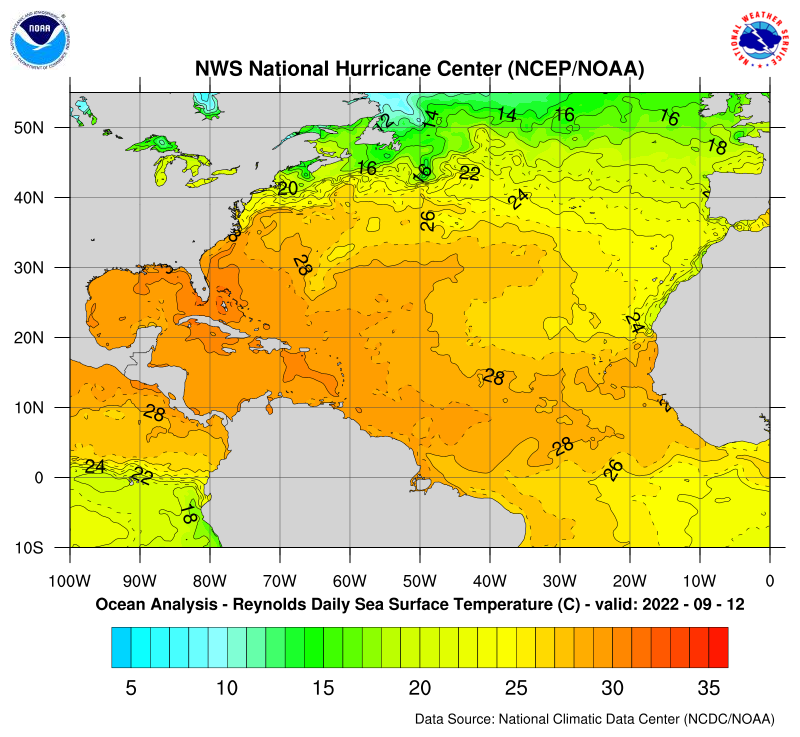
Current Ocean Heat Content

Tropical Weather Overview:
What Is A Tropical Depression, Tropical Storm Or A Hurricane:
Tropical Depression
A tropical cyclone in which the maximum sustained wind speed is 38 mph or less (33 kt or less or 17 m/s or less). Depressions have a closed circulation.
Tropical Storm
A tropical cyclone in which the maximum sustained wind speed ranges from 39 mph (34 kt or 18 m/s) to 73 mph (63 kt or 33 m/s). The convection in tropical storms is usually more concentrated near the center with outer rainfall organizing into distinct bands.
Hurricane
When winds in a tropical cyclone equal or exceed 74 mph (64 kt or 34 m/s) it is called a hurricane. Hurricanes are further designated by categories on the Saffir-Simpson scale. Hurricanes in categories 3, 4, 5 are known as Major Hurricanes or Intense Hurricanes.
The Saffir-Simpson Hurricane Wind Scale:
The Saffir-Simpson Hurricane Wind Scale is a 1 to 5 categorization based on the hurricane's intensity at the indicated time. The scale provides examples of the type of damages and impacts in the United States associated with winds of the indicated intensity. In general, damages rise by about a factor of four for every category increase. The maximum sustained surface wind speed (peak 1-minute wind at 10 m [33 ft]) is the determining factor in the scale. The scale does not address the potential for such other hurricane-related impacts, as storm surge, rainfall-induced floods, and tornadoes. These wind-caused impacts are to apply to the worst winds reaching the coast and the damage would be less elsewhere. It should also be noted that the general wind-caused damage descriptions are to some degree dependent upon the local building codes in effect and how well and how long they have been enforced. Hurricane wind damage is also dependent upon such other factors as duration of high winds, change of wind direction, amount of accompanying rainfall, and age of structures.
Category One Hurricane: Sustained Winds 74-95 mph (64-82 kt or 119-153 km/hr).
Very dangerous winds will produce some damage
People, livestock, and pets struck by flying or falling debris could be injured or killed. Older (mainly pre-1994 construction) mobile homes could be destroyed, especially if they are not anchored properly as they tend to shift or roll off their foundations. Newer mobile homes that are anchored properly can sustain damage involving the removal of shingle or metal roof coverings, and loss of vinyl siding, as well as damage to carports, sunrooms, or lanais. Some poorly constructed frame homes can experience major damage, involving loss of the roof covering and damage to gable ends as well as the removal of porch coverings and awnings. Unprotected windows may break if struck by flying debris. Masonry chimneys can be toppled. Well-constructed frame homes could have damage to roof shingles, vinyl siding, soffit panels, and gutters. Failure of aluminum, screened-in, swimming pool enclosures can occur. Some apartment building and shopping center roof coverings could be partially removed. Industrial buildings can lose roofing and siding especially from windward corners, rakes, and eaves. Failures to overhead doors and unprotected windows will be common. Windows in high-rise buildings can be broken by flying debris. Falling and broken glass will pose a significant danger even after the storm. There will be occasional damage to commercial signage, fences, and canopies. Large branches of trees will snap and shallow rooted trees can be toppled. Extensive damage to power lines and poles will likely result in power outages that could last a few to several days. Hurricane Dolly (2008) is an example of a hurricane that brought Category 1 winds and impacts to South Padre Island, Texas.
Category Two Hurricane: Sustained Winds 96-110 mph (83-95 kt or 154-177 km/hr).
Extremely dangerous winds will cause extensive damage
There is a substantial risk of injury or death to people, livestock, and pets due to flying and falling debris. Older (mainly pre-1994 construction) mobile homes have a very high chance of being destroyed and the flying debris generated can shred nearby mobile homes. Newer mobile homes can also be destroyed. Poorly constructed frame homes have a high chance of having their roof structures removed especially if they are not anchored properly. Unprotected windows will have a high probability of being broken by flying debris. Well-constructed frame homes could sustain major roof and siding damage. Failure of aluminum, screened-in, swimming pool enclosures will be common. There will be a substantial percentage of roof and siding damage to apartment buildings and industrial buildings. Unreinforced masonry walls can collapse. Windows in high-rise buildings can be broken by flying debris. Falling and broken glass will pose a significant danger even after the storm. Commercial signage, fences, and canopies will be damaged and often destroyed. Many shallowly rooted trees will be snapped or uprooted and block numerous roads. Near-total power loss is expected with outages that could last from several days to weeks. Potable water could become scarce as filtration systems begin to fail. Hurricane Frances (2004) is an example of a hurricane that brought Category 2 winds and impacts to coastal portions of Port St. Lucie, Florida with Category 1 conditions experienced elsewhere in the city.
Category Three Hurricane: Sustained Winds 111-129 mph (96-112 kt or 178-208 km/hr).
Devastating damage will occur
There is a high risk of injury or death to people, livestock, and pets due to flying and falling debris. Nearly all older (pre-1994) mobile homes will be destroyed. Most newer mobile homes will sustain severe damage with potential for complete roof failure and wall collapse. Poorly constructed frame homes can be destroyed by the removal of the roof and exterior walls. Unprotected windows will be broken by flying debris. Well-built frame homes can experience major damage involving the removal of roof decking and gable ends. There will be a high percentage of roof covering and siding damage to apartment buildings and industrial buildings. Isolated structural damage to wood or steel framing can occur. Complete failure of older metal buildings is possible, and older unreinforced masonry buildings can collapse. Numerous windows will be blown out of high-rise buildings resulting in falling glass, which will pose a threat for days to weeks after the storm. Most commercial signage, fences, and canopies will be destroyed. Many trees will be snapped or uprooted, blocking numerous roads. Electricity and water will be unavailable for several days to a few weeks after the storm passes. Hurricane Ivan (2004) is an example of a hurricane that brought Category 3 winds and impacts to coastal portions of Gulf Shores, Alabama with Category 2 conditions experienced elsewhere in this city.
Category Four Hurricane: Sustained Winds 130-156 mph (113-136 kt or 209-251 km/hr).
Catastrophic damage will occur.
There is a very high risk of injury or death to people, livestock, and pets due to flying and falling debris. Nearly all older (pre-1994) mobile homes will be destroyed. A high percentage of newer mobile homes also will be destroyed. Poorly constructed homes can sustain complete collapse of all walls as well as the loss of the roof structure. Well-built homes also can sustain severe damage with loss of most of the roof structure and/or some exterior walls. Extensive damage to roof coverings, windows, and doors will occur. Large amounts of windborne debris will be lofted into the air. Windborne debris damage will break most unprotected windows and penetrate some protected windows. There will be a high percentage of structural damage to the top floors of apartment buildings. Steel frames in older industrial buildings can collapse. There will be a high percentage of collapse to older unreinforced masonry buildings. Most windows will be blown out of high-rise buildings resulting in falling glass, which will pose a threat for days to weeks after the storm. Nearly all commercial signage, fences, and canopies will be destroyed. Most trees will be snapped or uprooted and power poles downed. Fallen trees and power poles will isolate residential areas. Power outages will last for weeks to possibly months. Long-term water shortages will increase human suffering. Most of the area will be uninhabitable for weeks or months. Hurricane Charley (2004) is an example of a hurricane that brought Category 4 winds and impacts to coastal portions of Punta Gorda, Florida with Category 3 conditions experienced elsewhere in the city.
Category Five Hurricane: Sustained Winds of 157 mph or higher (137 kt or higher or 252 km/hr or higher).
Catastrophic damage will occur.
People, livestock, and pets are at very high risk of injury or death from flying or falling debris, even if indoors in mobile homes or framed homes. Almost complete destruction of all mobile homes will occur, regardless of age or construction. A high percentage of frame homes will be destroyed, with total roof failure and wall collapse. Extensive damage to roof covers, windows, and doors will occur. Large amounts of windborne debris will be lofted into the air. Windborne debris damage will occur to nearly all unprotected windows and many protected windows. Significant damage to wood roof commercial buildings will occur due to loss of roof sheathing. Complete collapse of many older metal buildings can occur. Most unreinforced masonry walls will fail which can lead to the collapse of the buildings. A high percentage of industrial buildings and low-rise apartment buildings will be destroyed. Nearly all windows will be blown out of high-rise buildings resulting in falling glass, which will pose a threat for days to weeks after the storm. Nearly all commercial signage, fences, and canopies will be destroyed. Nearly all trees will be snapped or uprooted and power poles downed. Fallen trees and power poles will isolate residential areas. Power outages will last for weeks to possibly months. Long-term water shortages will increase human suffering. Most of the area will be uninhabitable for weeks or months. Hurricane Andrew (1992) is an example of a hurricane that brought Category 5 winds and impacts to coastal portions of Cutler Ridge, Florida with Category 4 conditions experienced elsewhere in south Miami-Dade County.
2025 Atlantic Basin Tropical Cyclone Names
| Andrea | Barry | Chantal | Dexter | Erin |
| Fernand | Gabrielle | Humberto | Imelda | Jerry |
| Karen | Lorenzo | Melissa | Nestor | Olga |
| Pablo | Rebekah | Sebastien | Tanya | Van |
| Wendy |